
Puff pastry
Published on 18 October 2014
Favourites stay in this browser only. Sign in to save them to your account.
Selections and your current step are saved in this browser for this recipe.
Ingredients and method
The preparation remains in its original order; guided mode is not available for this structure.

A few weeks ago, I attended a course with master pastry chef Marco Zuanelli, owner of Él Pastiser in Salò.
I had always wanted to make puff pastry at home, but it seemed almost impossible. I like a challenge, and after this enlightening course, presented simply and clearly, I tried it.
This is my first attempt and needs refining. The master pastry chef will certainly have criticisms and, I hope, advice. Here is how I did it; I hope it is clear. Set aside an afternoon and follow the stages and resting times. The result? You will soon see!
INGREDIENTS
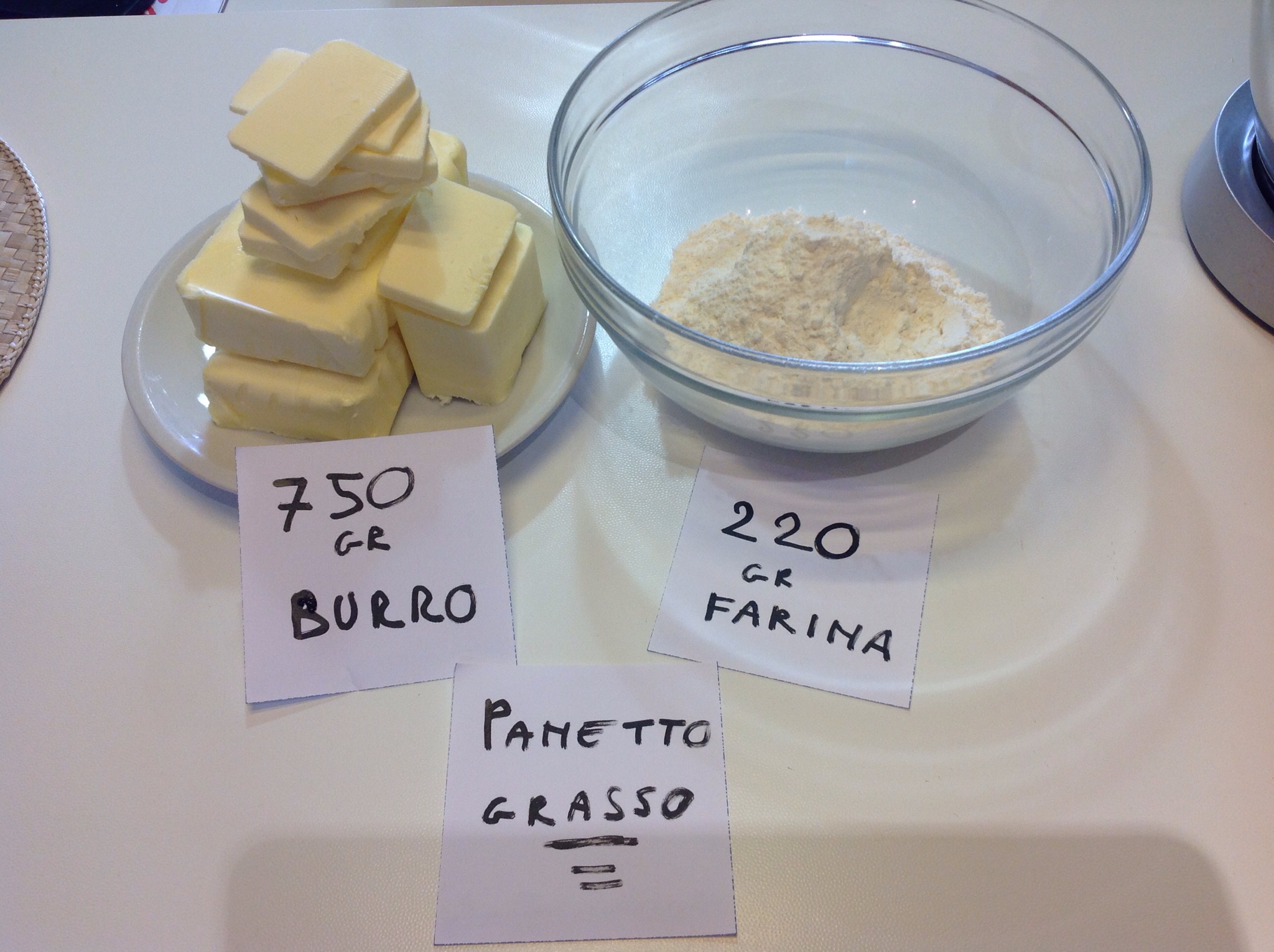
BUTTER BLOCK
750 g butter at room temperature
220 g flour
LEAN DOUGH
530 g flour
15 g salt
330 cold water

PREPARING THE BUTTER BLOCK
I put the flour and room-temperature butter in pieces into the mixer fitted with a dough hook.

I mix on low speed without overworking.

Using a spatula, I remove it onto cling film and form a low, even rectangular block.
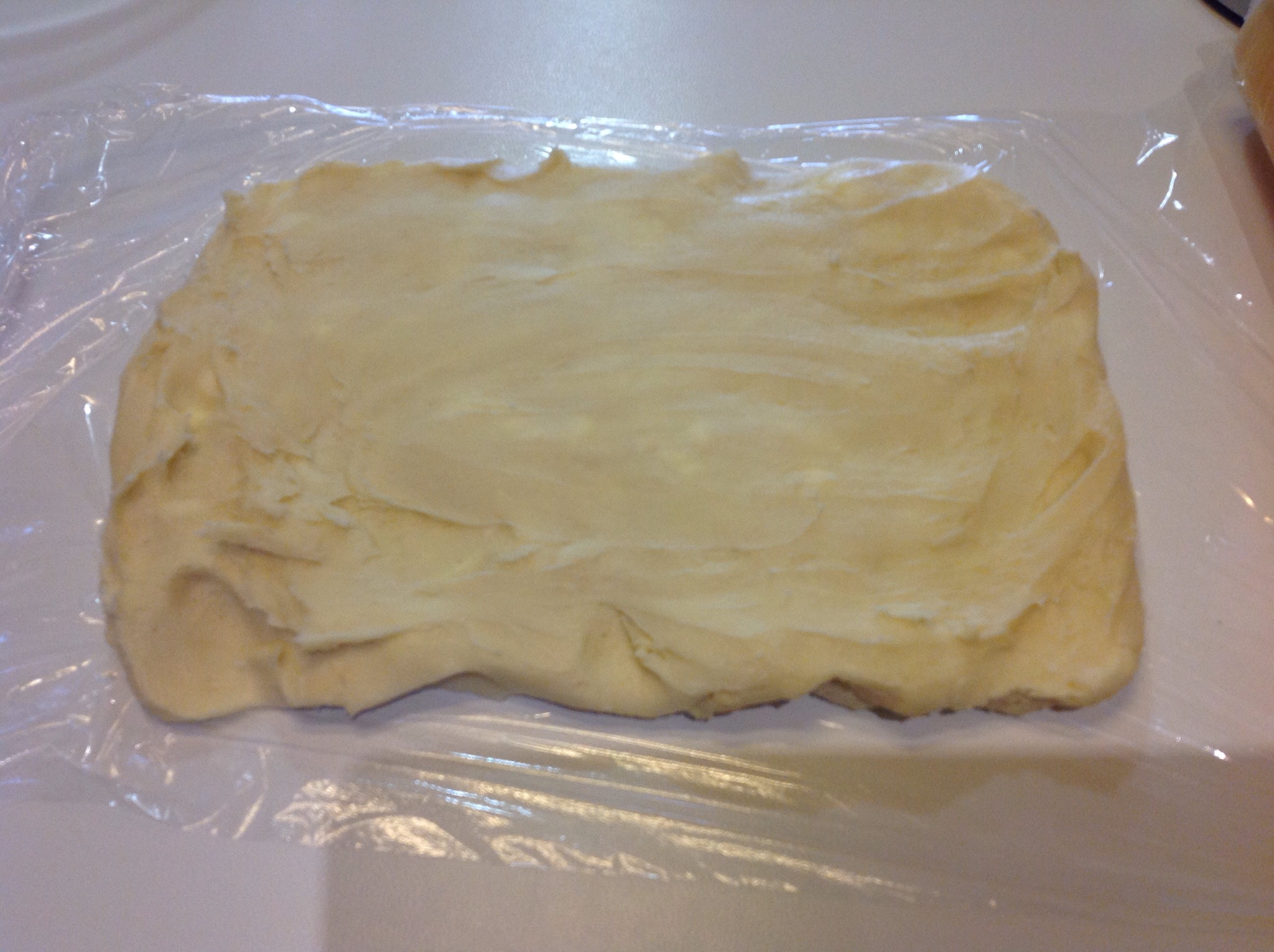
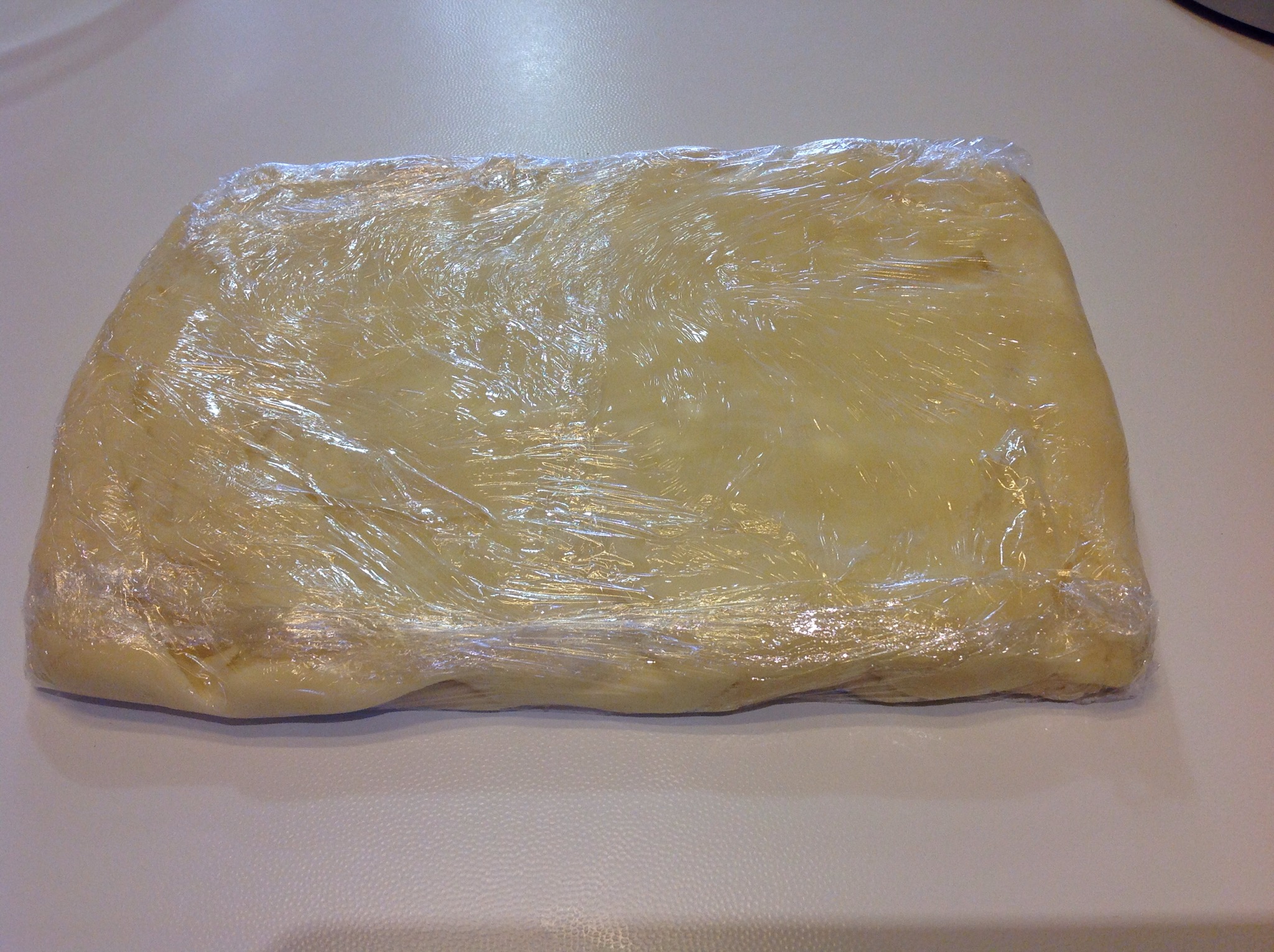
I wrap it and refrigerate for an hour.
PREPARING THE LEAN DOUGH
I put the flour and salt in the mixer.

With the hook on low speed, I add water gradually, as more or less may be needed depending on flour absorption.
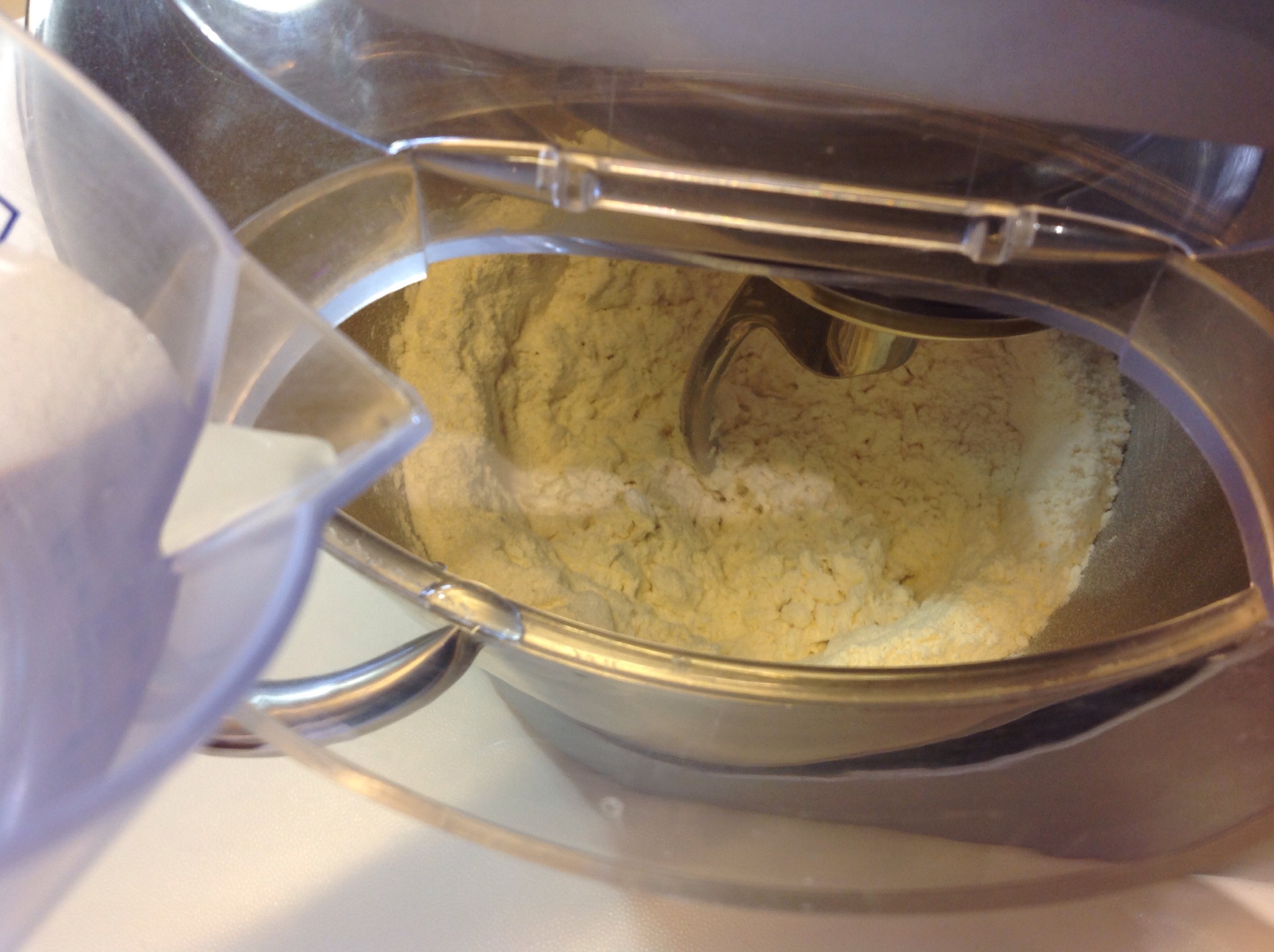
I work for about 7/8 minutes until smooth and well combined.

I remove it, work briefly on the surface and form a block.
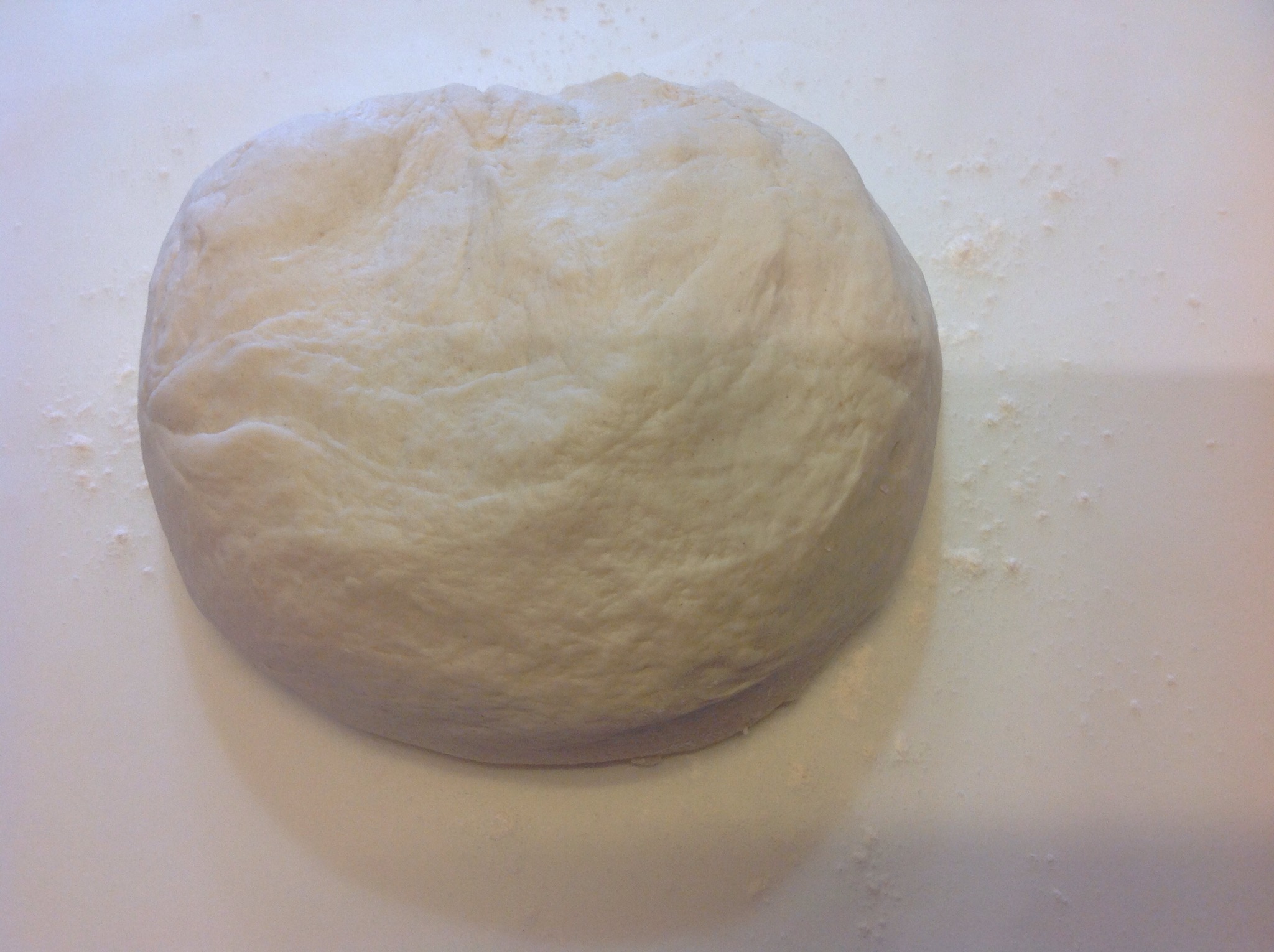
I wrap in baking parchment and rest at room temperature for half an hour.
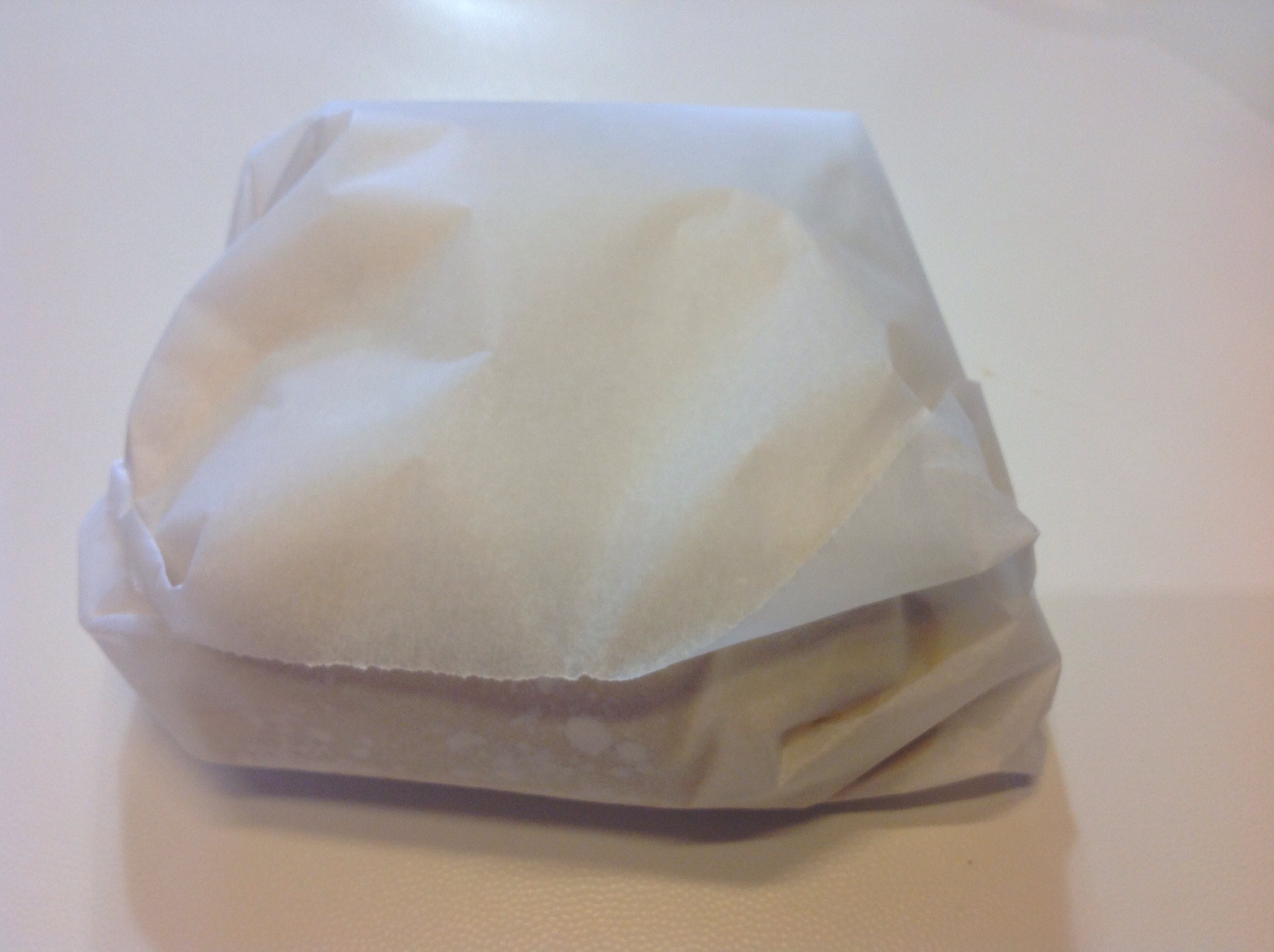
Both doughs are ready after resting.
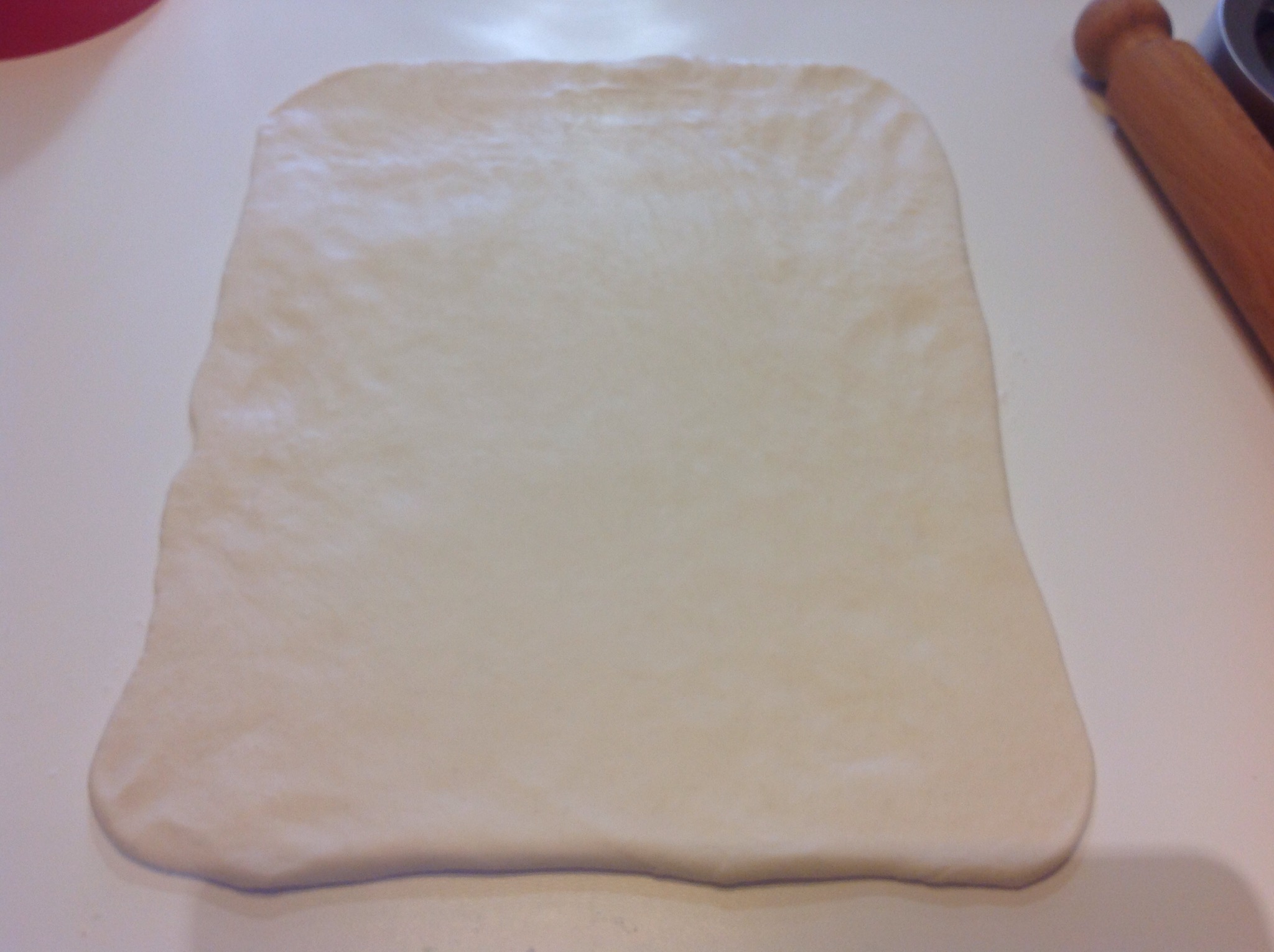
I roll the lean dough, taken from the fridge, into a rectangle slightly wider and twice as long as the butter block.
I place the butter block centrally, keeping it inside the dough.
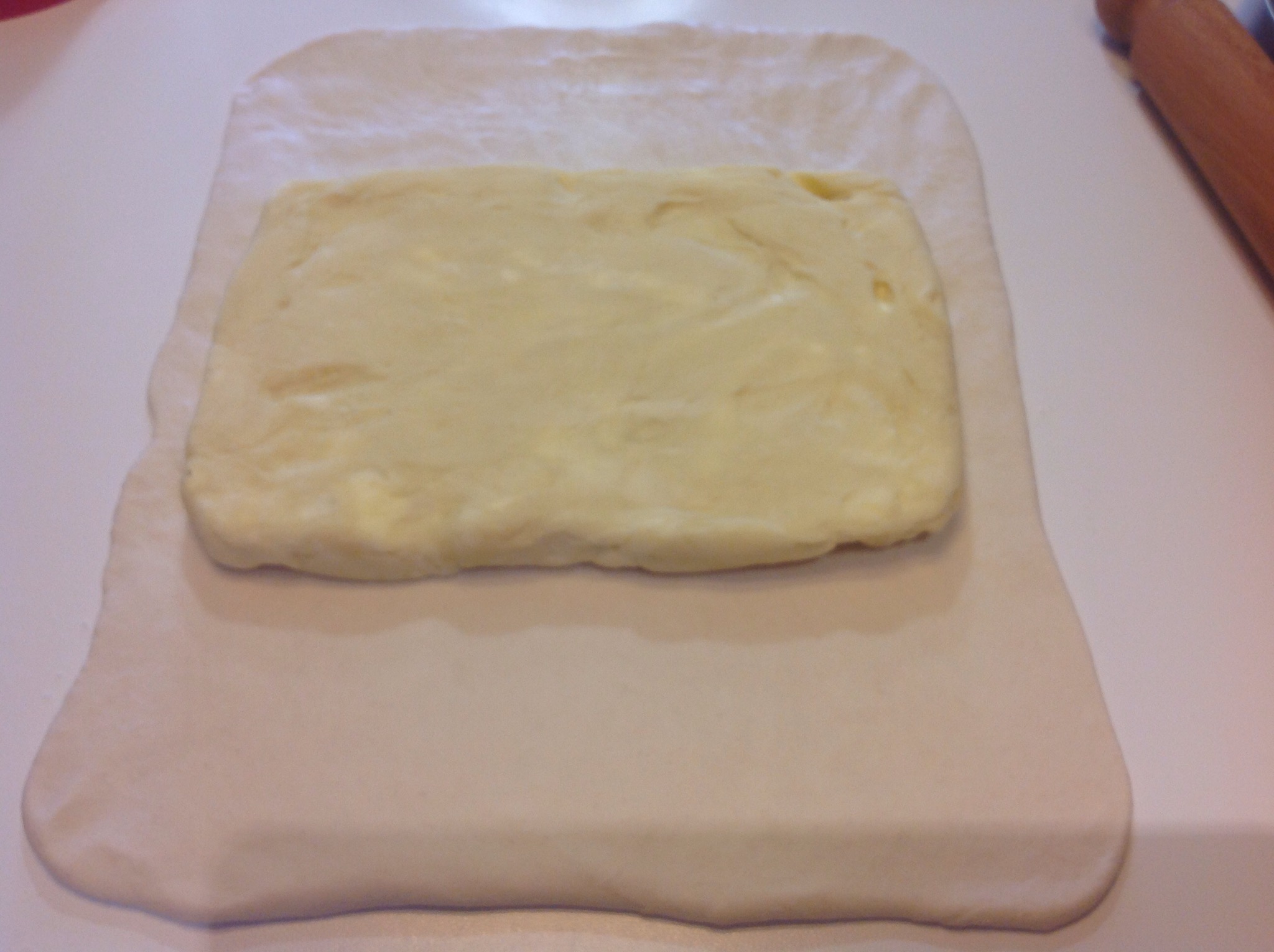
I fold one side to the middle of the block.

Then the other, making the edges meet without overlapping.
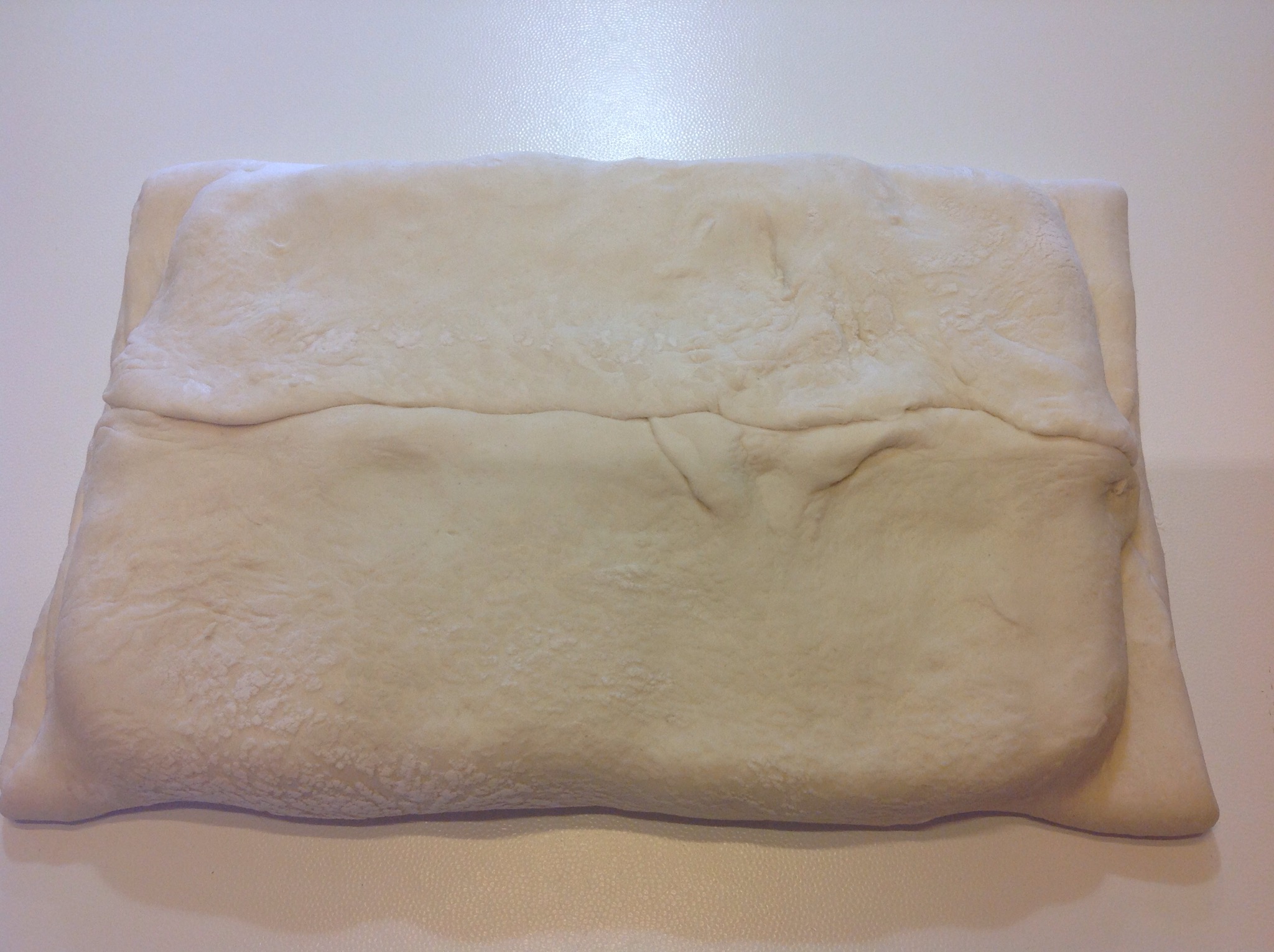
I turn the block vertically, with the open side facing us and both ends closed so butter does not escape when rolled.

I lightly flour the surface and gently roll the dough.

THREE-FOLD
I bring one side of the dough to the middle.
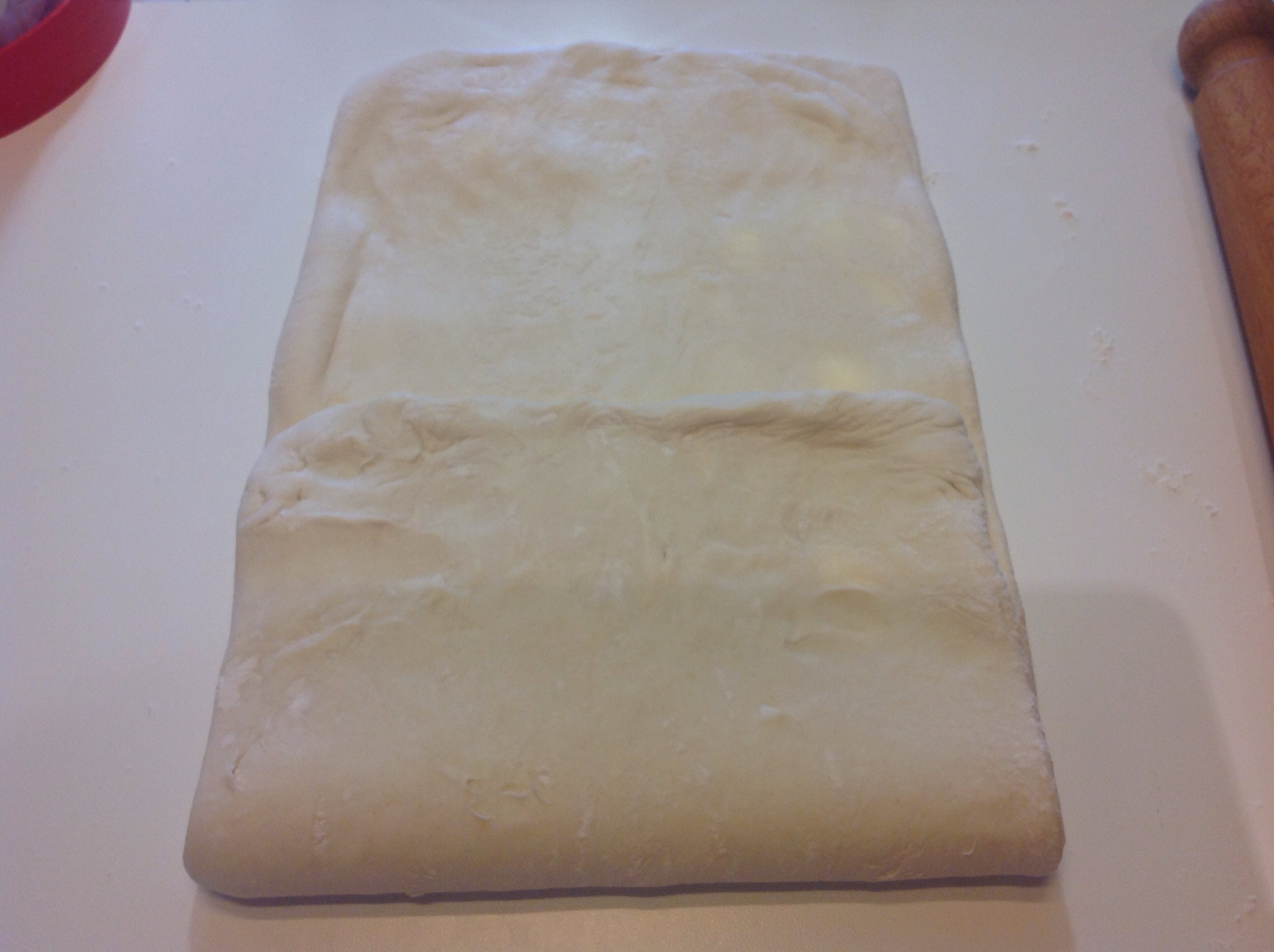
Then the other side, closing it evenly.
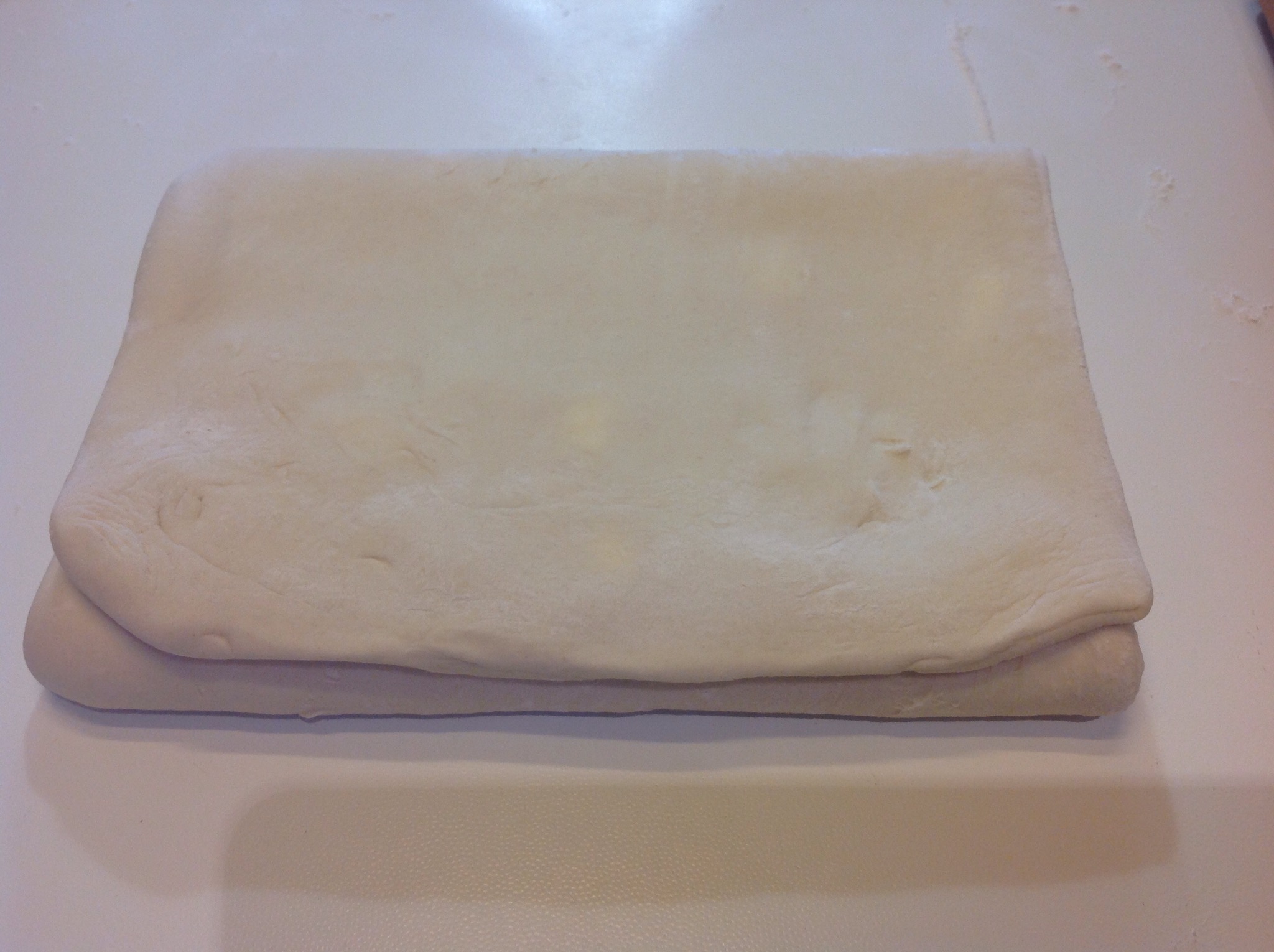
I turn the block with the open sides facing us and the closed side on the left.
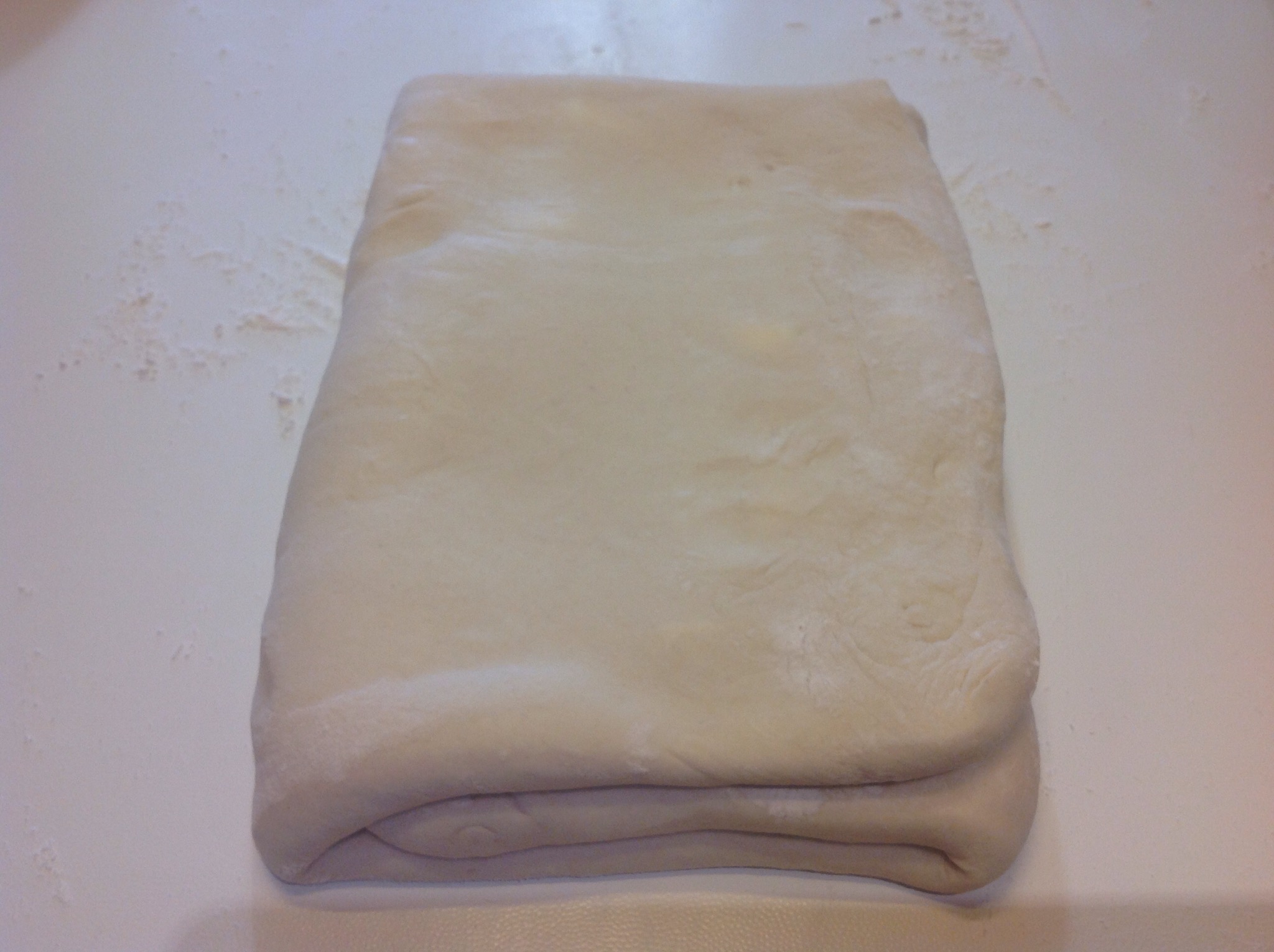
I gently roll without tearing the dough: butter must never escape.
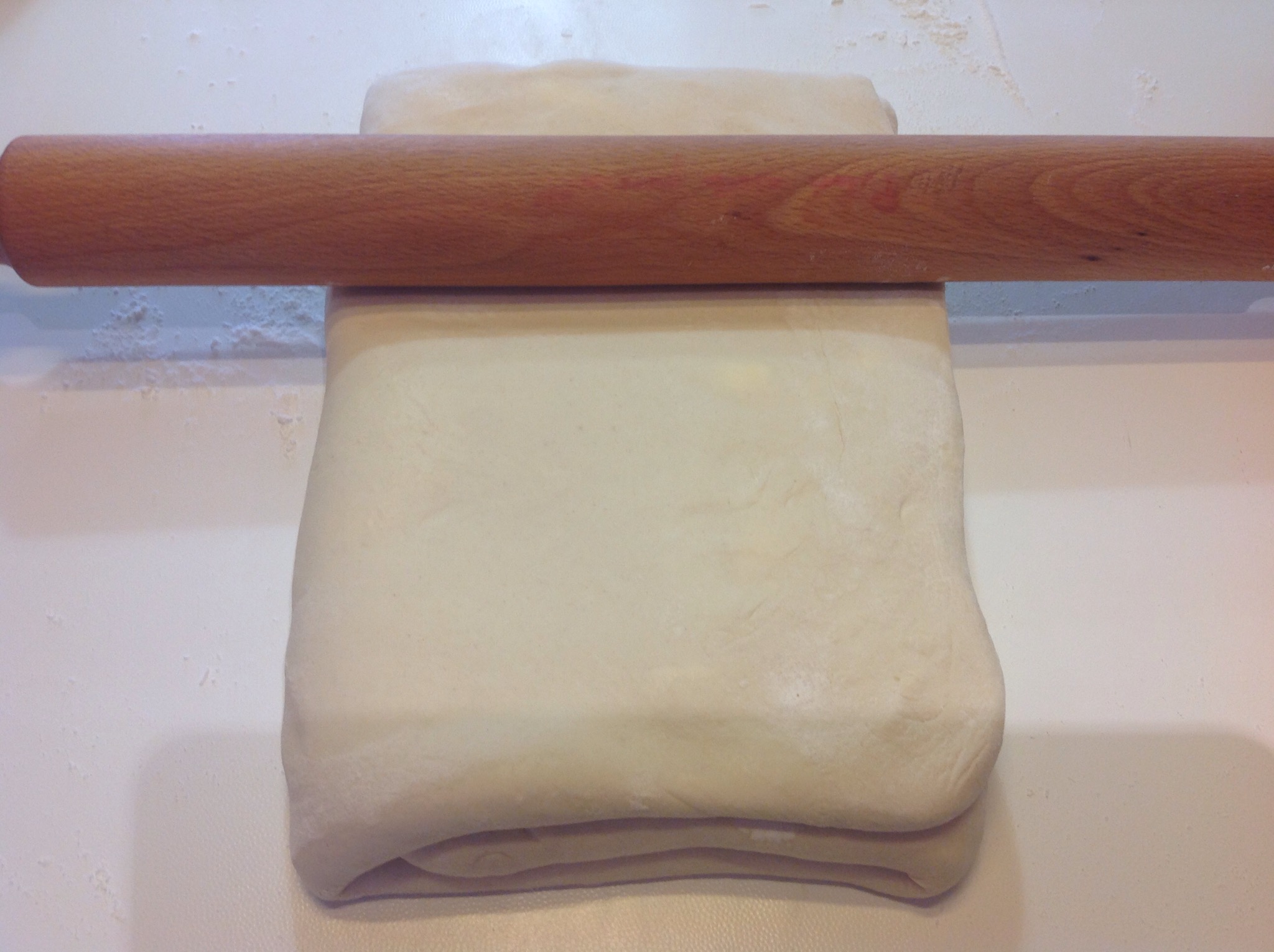
I form an even rectangle again.

FOUR-FOLD
I turn the dough horizontally and fold a small part of the right-hand side inward.

I fold the left-hand side to meet it without overlapping.
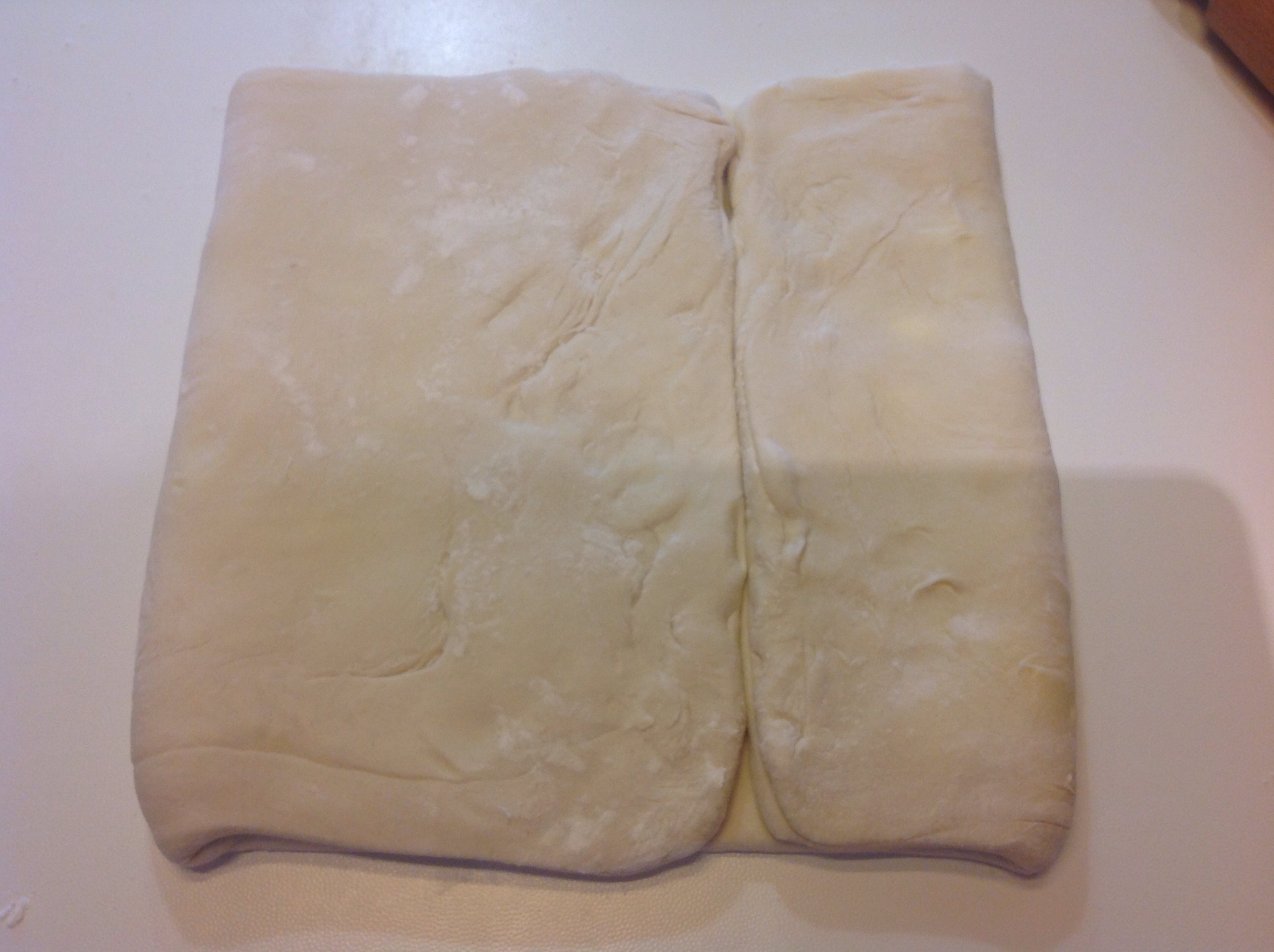
Now I fold in half.

I neaten it, pressing lightly.
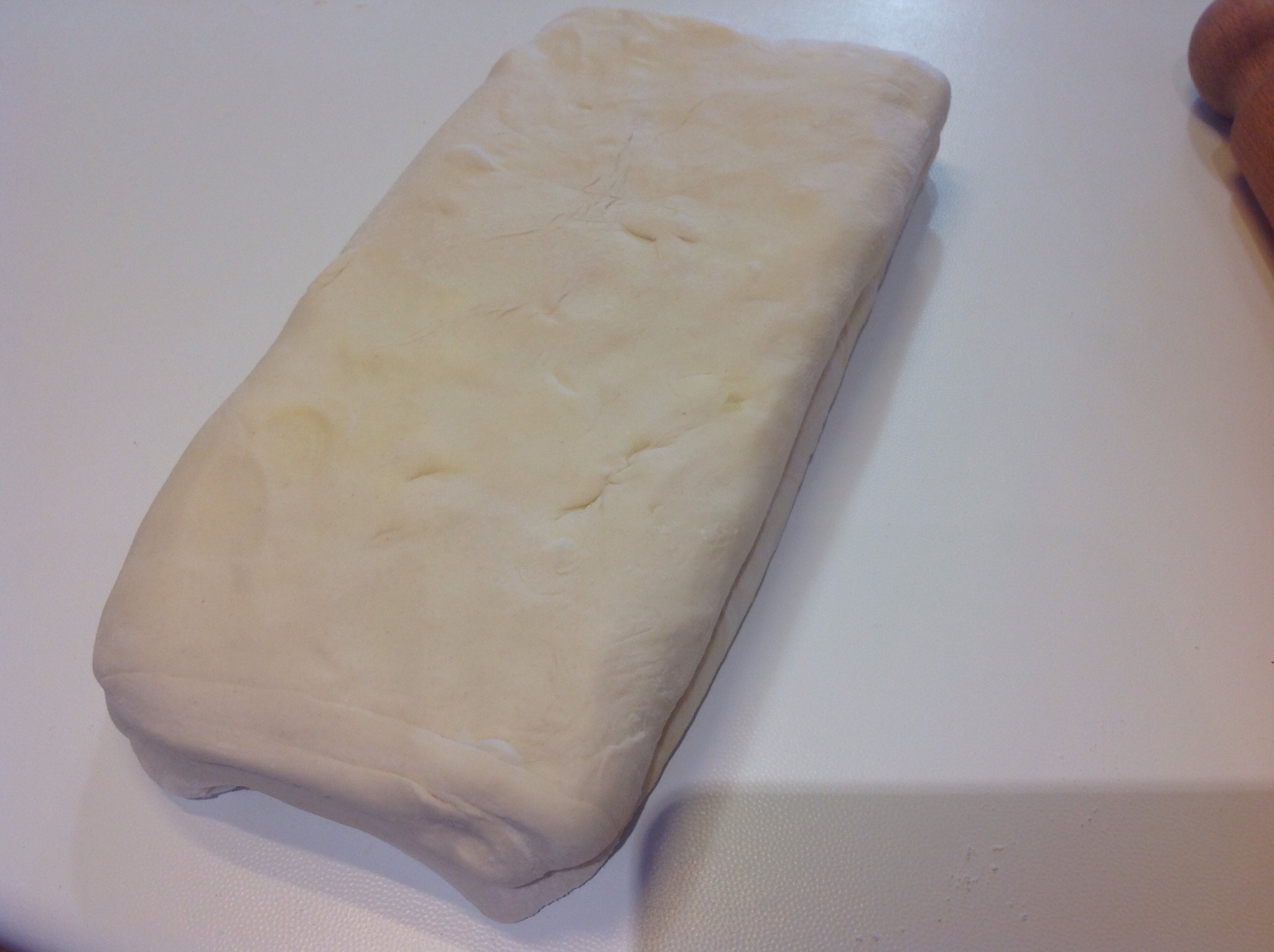
I wrap in cling film and refrigerate for 1 hour.
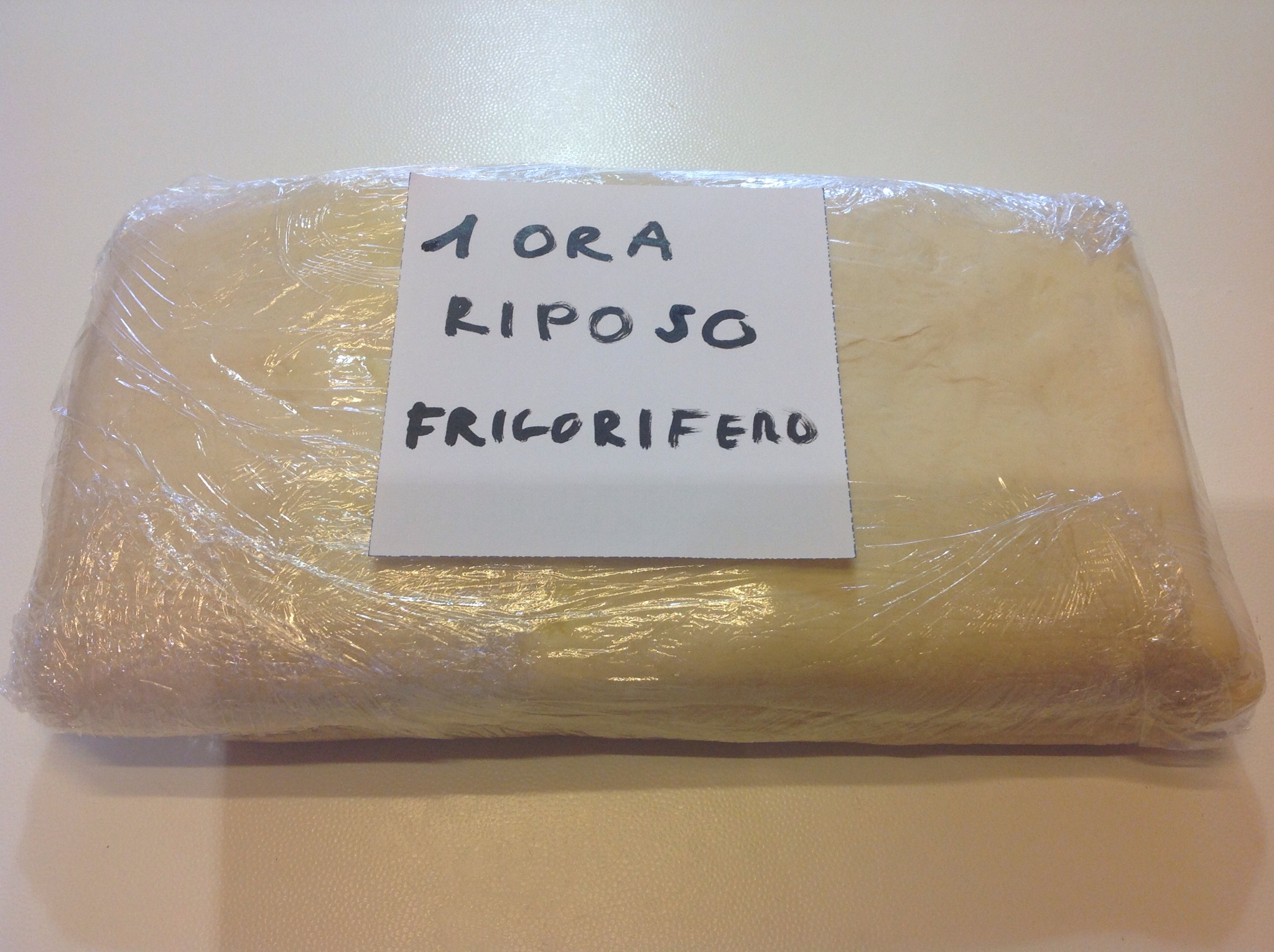
I remove it, lightly flour the surface and roll, always keeping the open sides facing us.

I roll and make another three-fold.
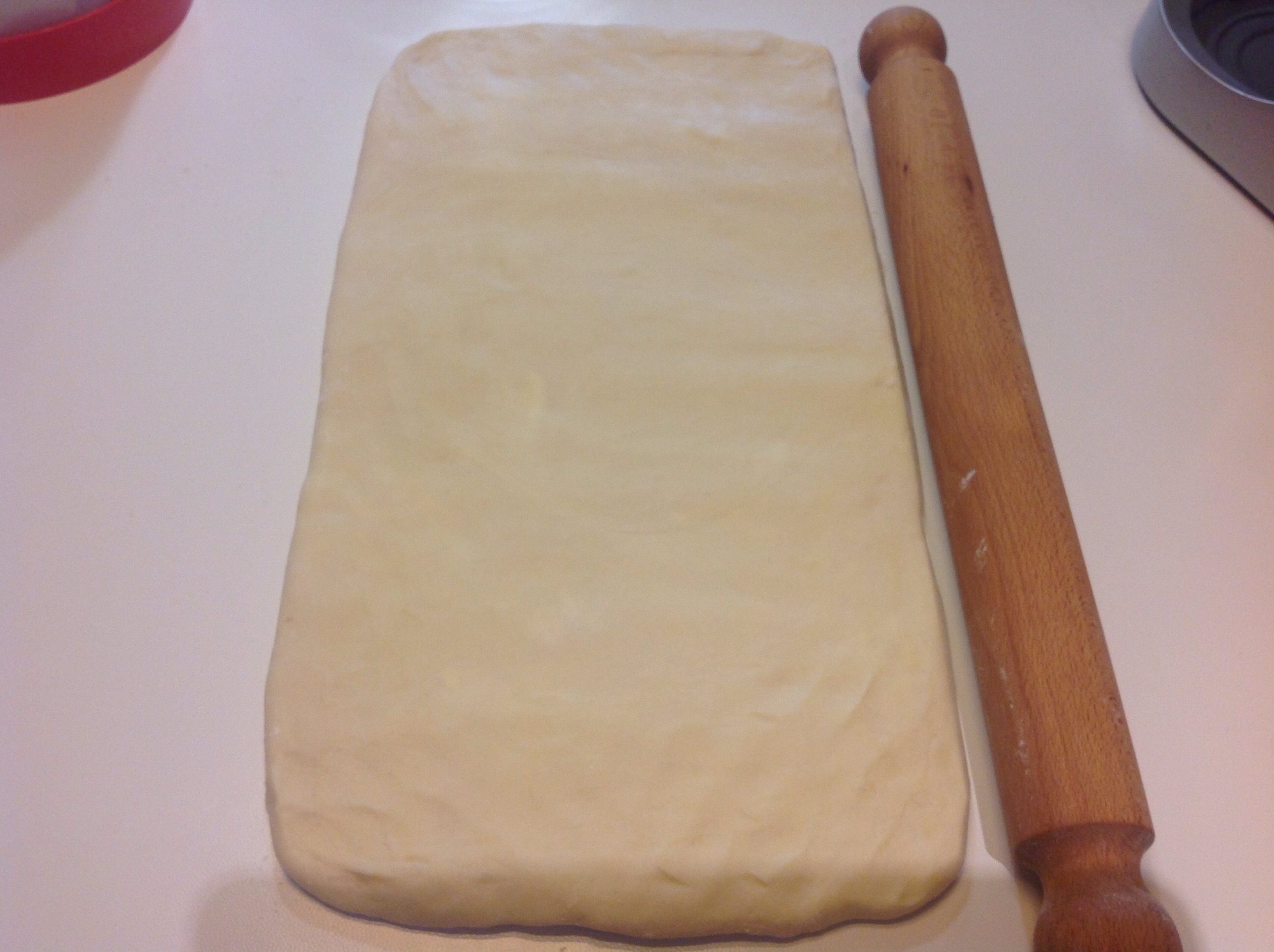
I fold to the middle.

Then close with the other half, aligning and pressing lightly.

I turn with the open sides facing us and the closed side to our left.

I roll and make another four-fold.
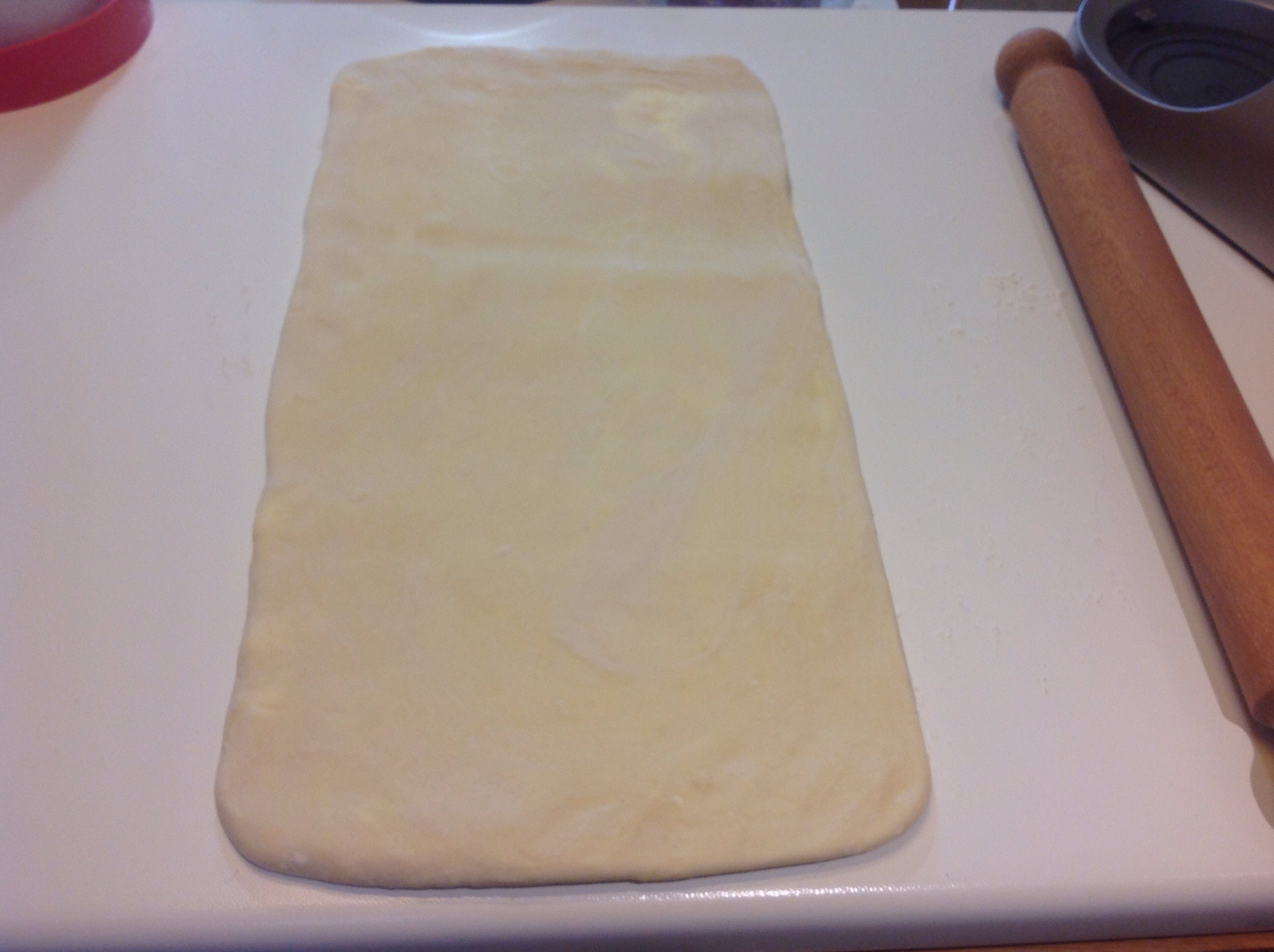
I turn it horizontally.
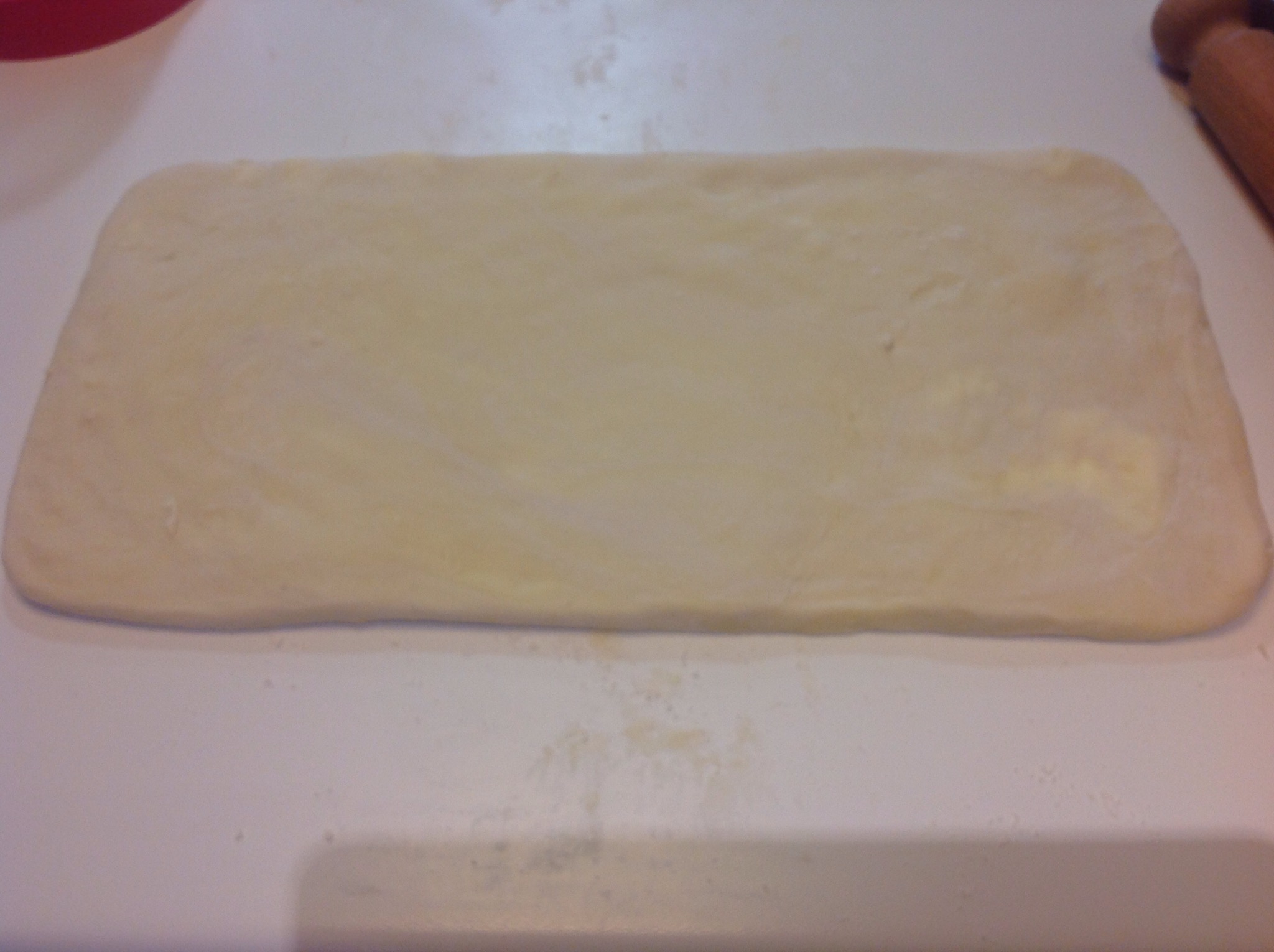
I fold in a small part.

Then the other side to meet it without overlapping.
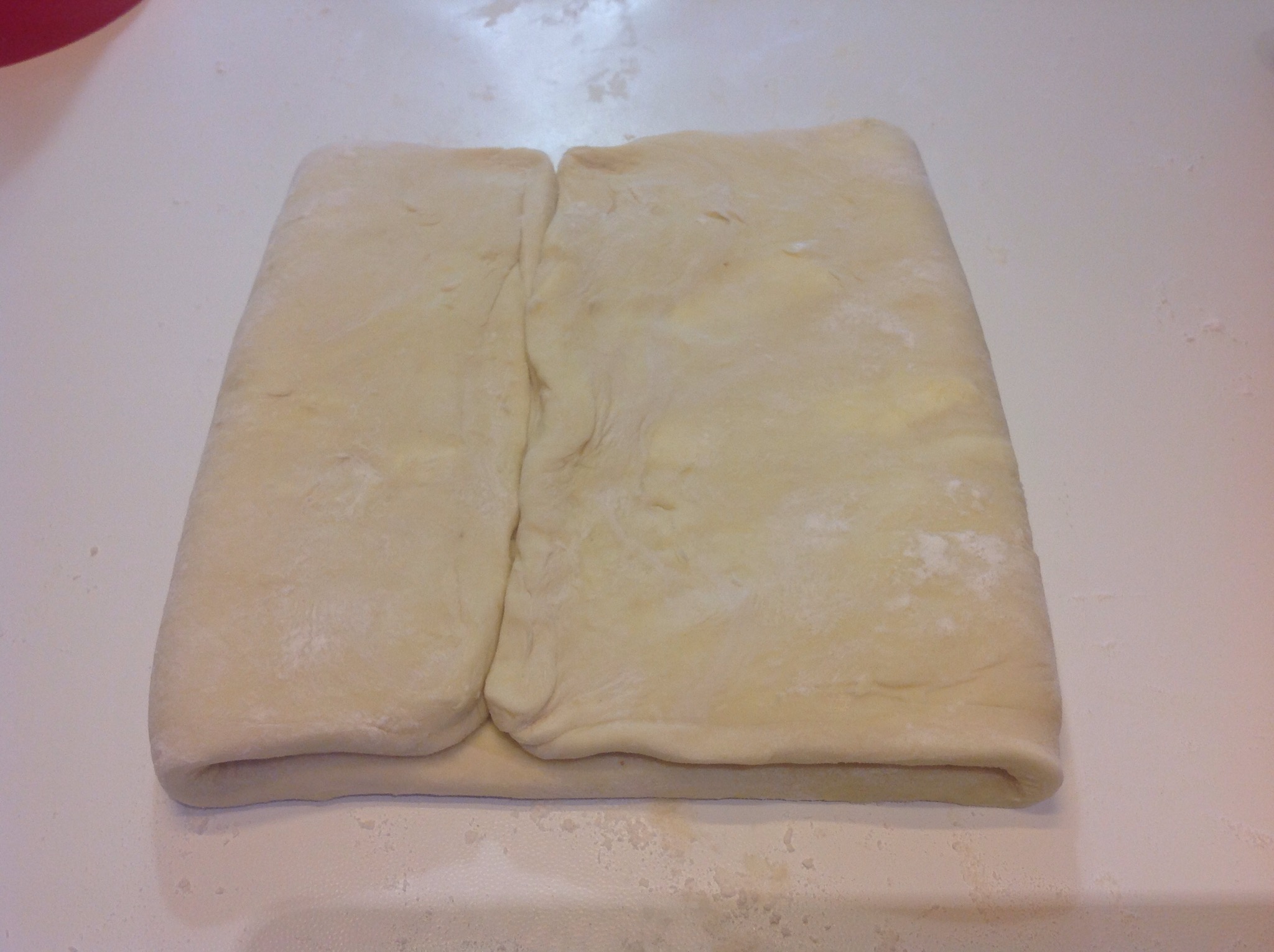
I fold in half, align and press lightly; finally we have finished.

I wrap and refrigerate for at least 2 hours before use.

As the dough weighs almost 1,850 grams, I divide it into 4 blocks, freeze 3 and use one immediately.
Now for some savoury bites to serve with aperitifs.
Here is the result: I am really pleased! 😃😃😃😃

I made mini croissants with truffle cream and Fontina, artichoke and Provola bites, salmon and sesame twists, and pepper and Parmigiano triangles.

Delicious, light and flaky!
Thank you, maestro!
Original source: https://incucinaconlilly.com/2014/10/18/pasta-sfoglia/
Reserved advertising space · no adverts are active