
Basic no-knead bread, baked in a pot
Published on 4 February 2014
Favourites stay in this browser only. Sign in to save them to your account.

Selections and your current step are saved in this browser for this recipe.
Ingredients and method
The preparation remains in its original order; guided mode is not available for this structure.
Rustic, slowly risen no-knead bread: a discovery from Jim Lahey’s book ‘No-knead Bread’.
I previously shared walnut and raisin bread and olive bread. This is the simple base, good with sweet or savoury foods and toasted for bruschetta.
The only difficulty is obtaining a covered pot that withstands 250°C: Pyrex, ceramic, terracotta or cast iron. For the first 30 minutes, the bread cooks in the moisture inside the pot.
Ingredients for a loaf weighing 500 g and 25 g in diameter
400 g Italian type '0' flour
8 g salt
1 g active dried yeast
300 g water
Italian '0' flour and maize flour for polenta, or bran, for dusting

I mix flour, salt and yeast in a medium bowl and add water.

I stir with a wooden spoon for 30 seconds to obtain a very sticky dough. Add another splash of water if needed.

I cover with cling film, a plate or tea towel.
I rest at room temperature, about 22°C, away from direct sunlight. I used the closed, switched-off oven.

It takes 12 to 18 hours. The dough should double and is ready when its surface is dotted with bubbles. Slow rising is the secret of its flavour.
Start before bed and continue the next morning.

I generously flour the work surface and turn out the very loose dough with a spatula.

Long thin strands form as the gluten develops. It is very sticky, as it should be.


Without adding flour, I use the spatula to lift one side towards the centre.

I do the same with the other side.

I fold in half again.

I form a rounded shape.

I dust a tea towel with Italian '0' flour and maize flour and gently place the dough on it, seam down.

If sticky on top, I dust with the flour mix.

I fold the towel loosely around it and rest for 1 or 2 hours away from draughts, until almost doubled.
Press and remove a finger: a half-centimetre indentation should remain. If it immediately disappears, rise another half an hour.
Half an hour before the rise ends, I heat the oven with the pot inside to 245°C.
Once ready and hot, I carefully remove the pot and its extremely hot lid, put a hand under the towel and tip the dough into the pot.


I dust with both flours and immediately cover.

I bake for 30 minutes. Watching it rise is wonderful!


After 30 minutes, I remove the lid and rotate the container.

I bake another 15 or 20 minutes until dark brown, not burnt.
I remove from oven and pot and cool on a rack before slicing.
The crust should be crisp and the crumb soft with good air holes.

Wrap leftovers in baking parchment or a paper bag, not plastic, and briefly warm before eating.
I previously shared walnut and raisin bread and olive bread. This is the simple base, good with sweet or savoury foods and toasted for bruschetta.
The only difficulty is obtaining a covered pot that withstands 250°C: Pyrex, ceramic, terracotta or cast iron. For the first 30 minutes, the bread cooks in the moisture inside the pot.
Ingredients for a loaf weighing 500 g and 25 g in diameter
400 g Italian type '0' flour
8 g salt
1 g active dried yeast
300 g water
Italian '0' flour and maize flour for polenta, or bran, for dusting
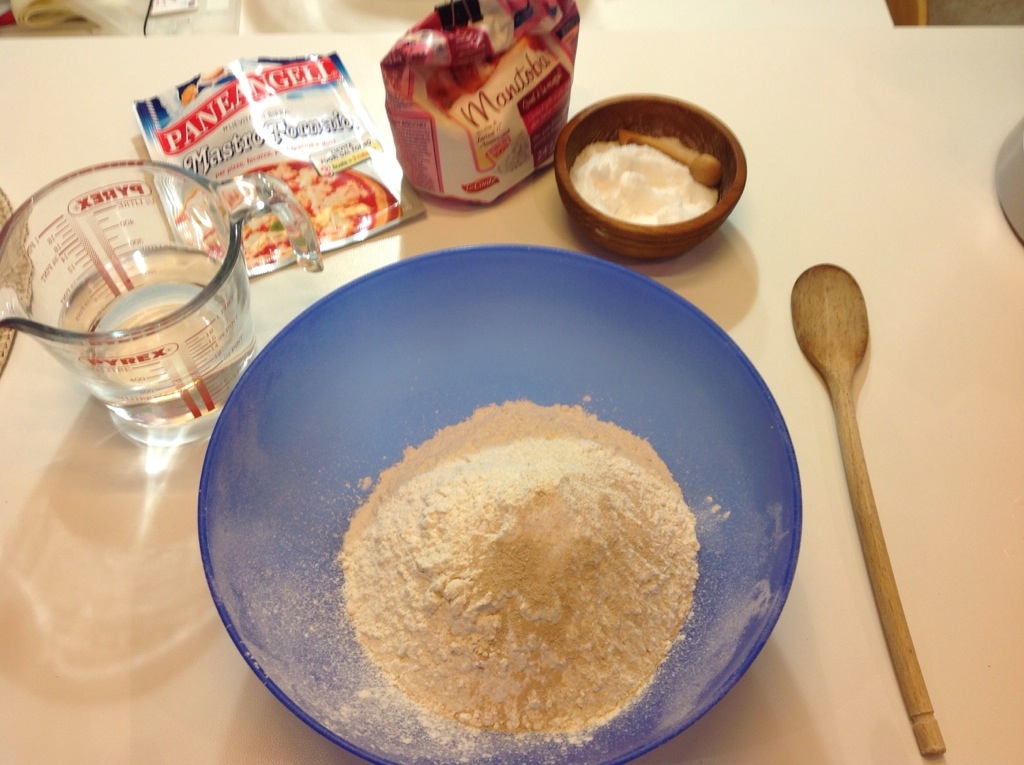
I mix flour, salt and yeast in a medium bowl and add water.
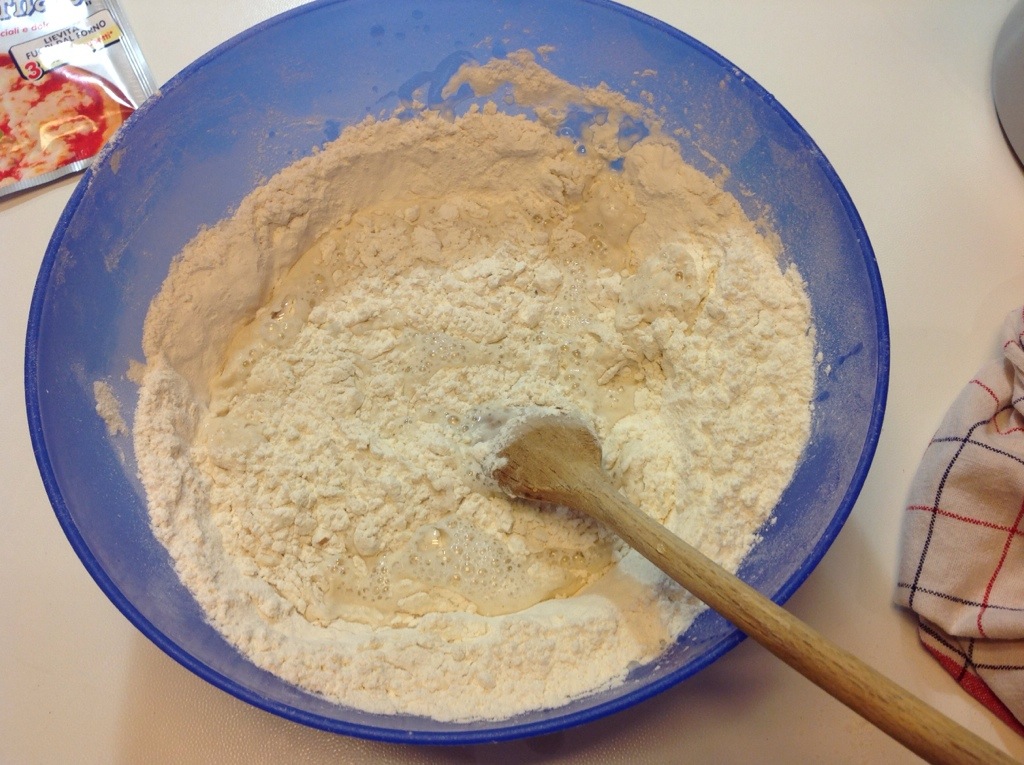
I stir with a wooden spoon for 30 seconds to obtain a very sticky dough. Add another splash of water if needed.
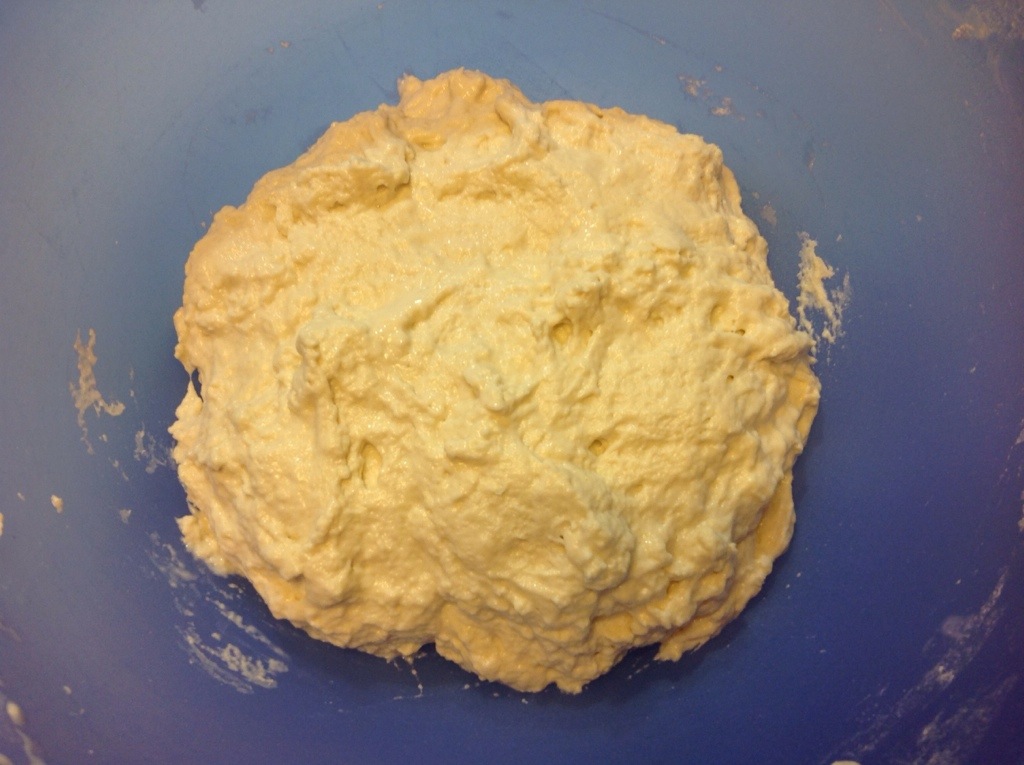
I cover with cling film, a plate or tea towel.
I rest at room temperature, about 22°C, away from direct sunlight. I used the closed, switched-off oven.
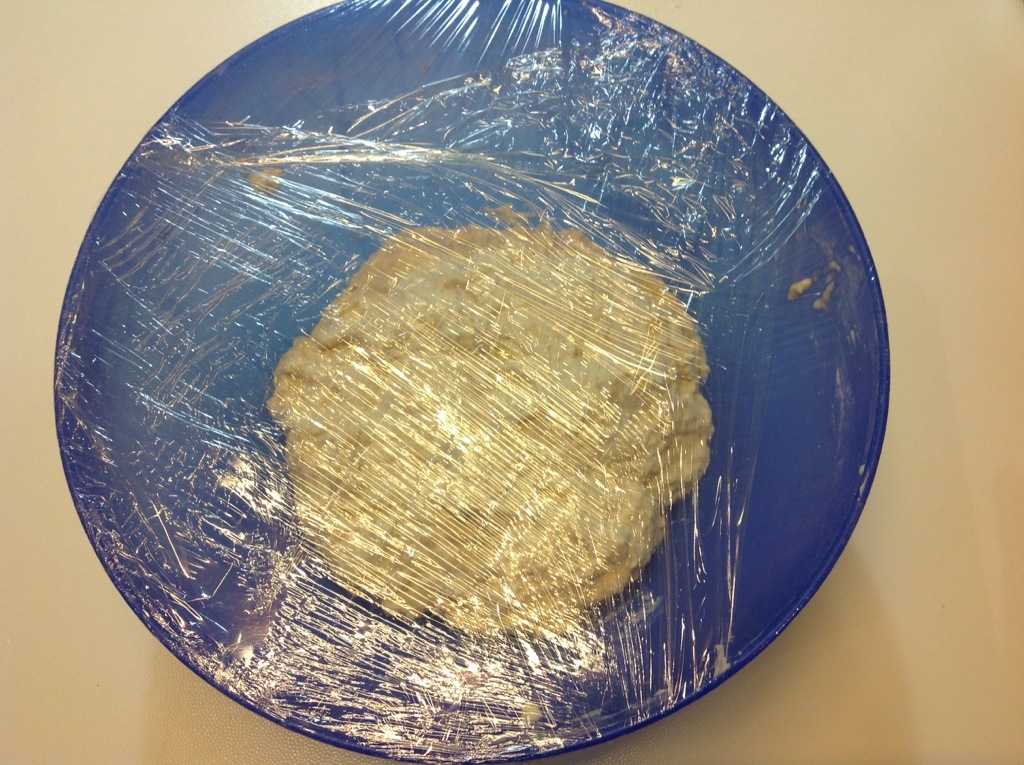
It takes 12 to 18 hours. The dough should double and is ready when its surface is dotted with bubbles. Slow rising is the secret of its flavour.
Start before bed and continue the next morning.

I generously flour the work surface and turn out the very loose dough with a spatula.
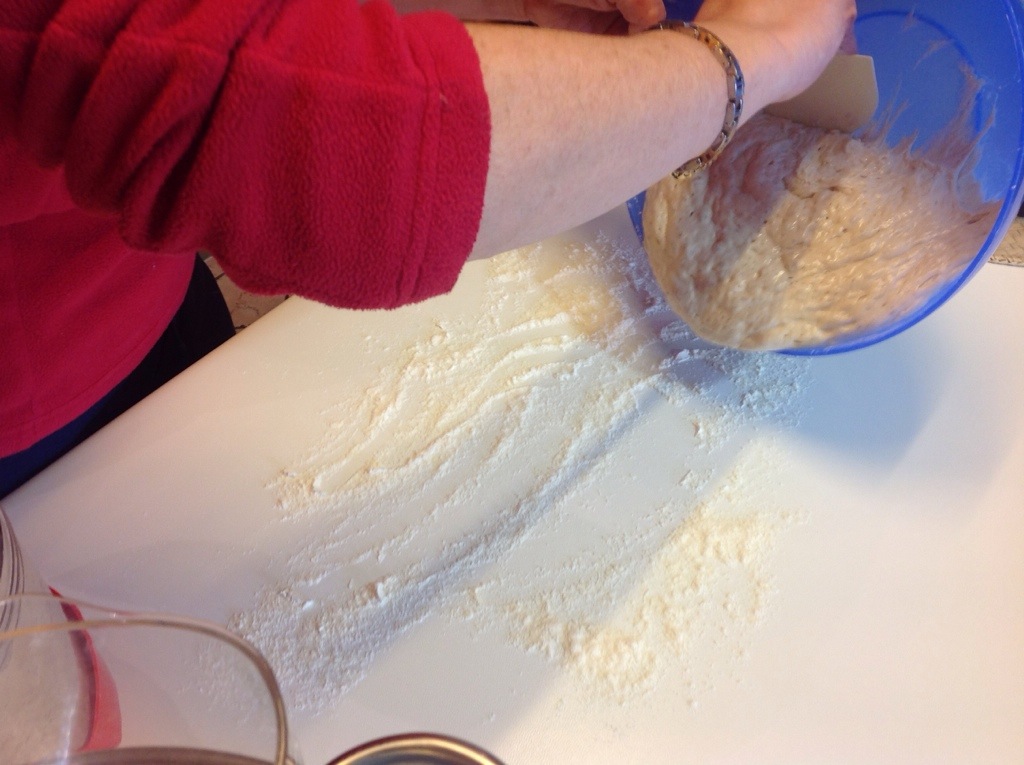
Long thin strands form as the gluten develops. It is very sticky, as it should be.
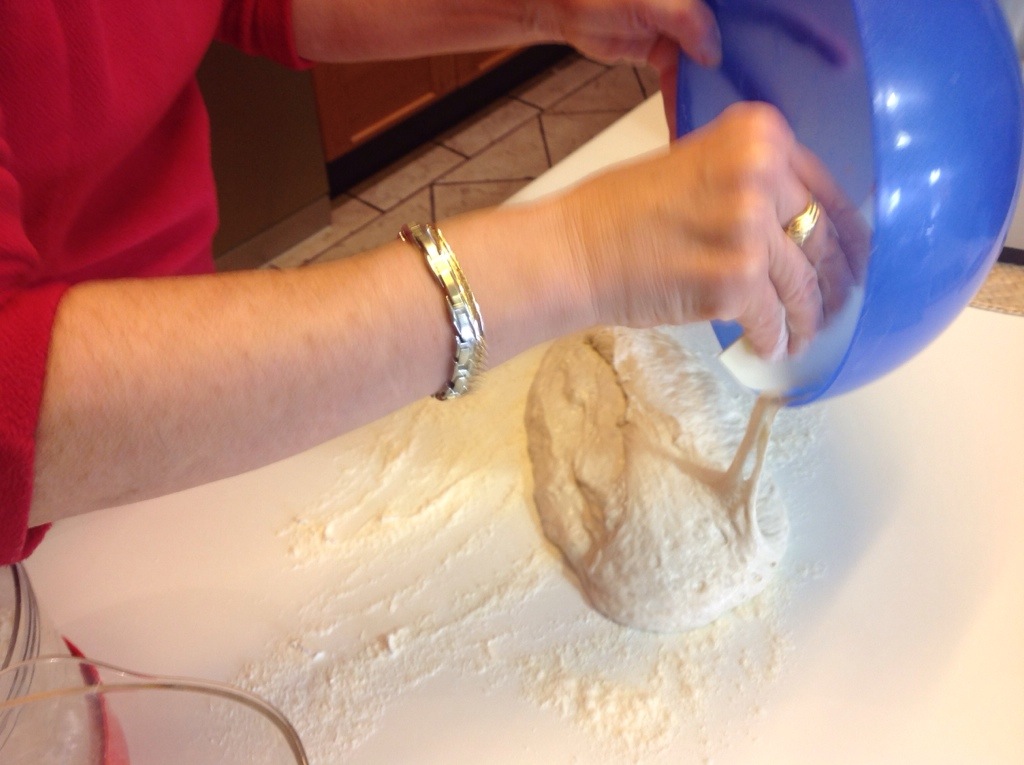
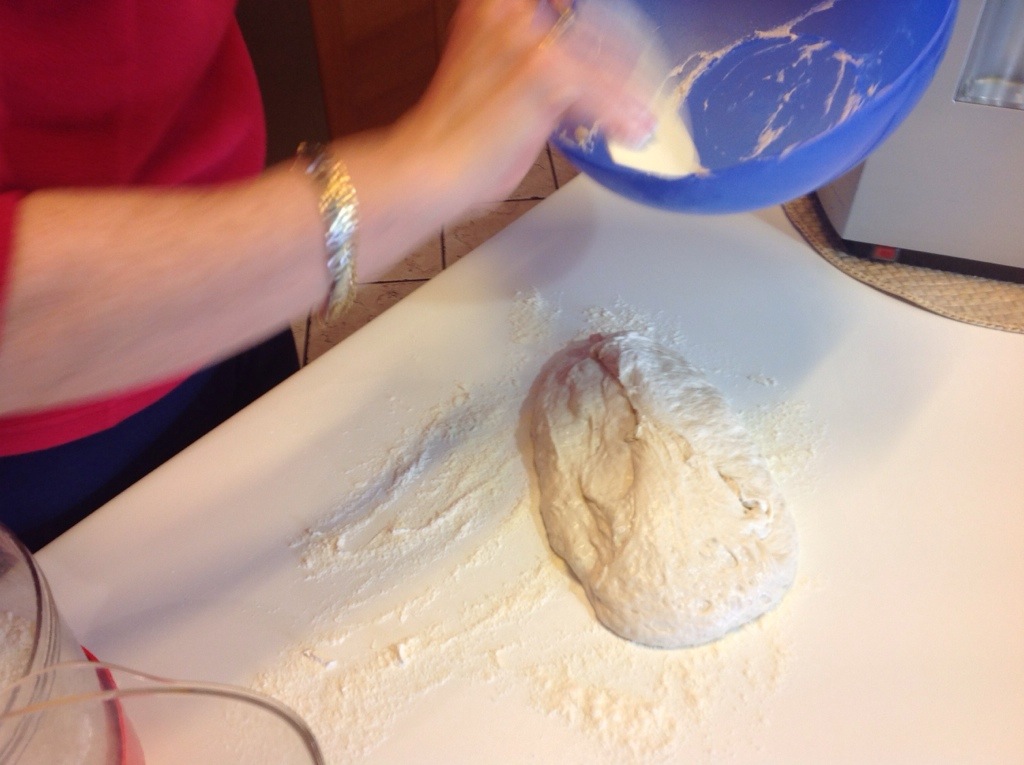
Without adding flour, I use the spatula to lift one side towards the centre.

I do the same with the other side.
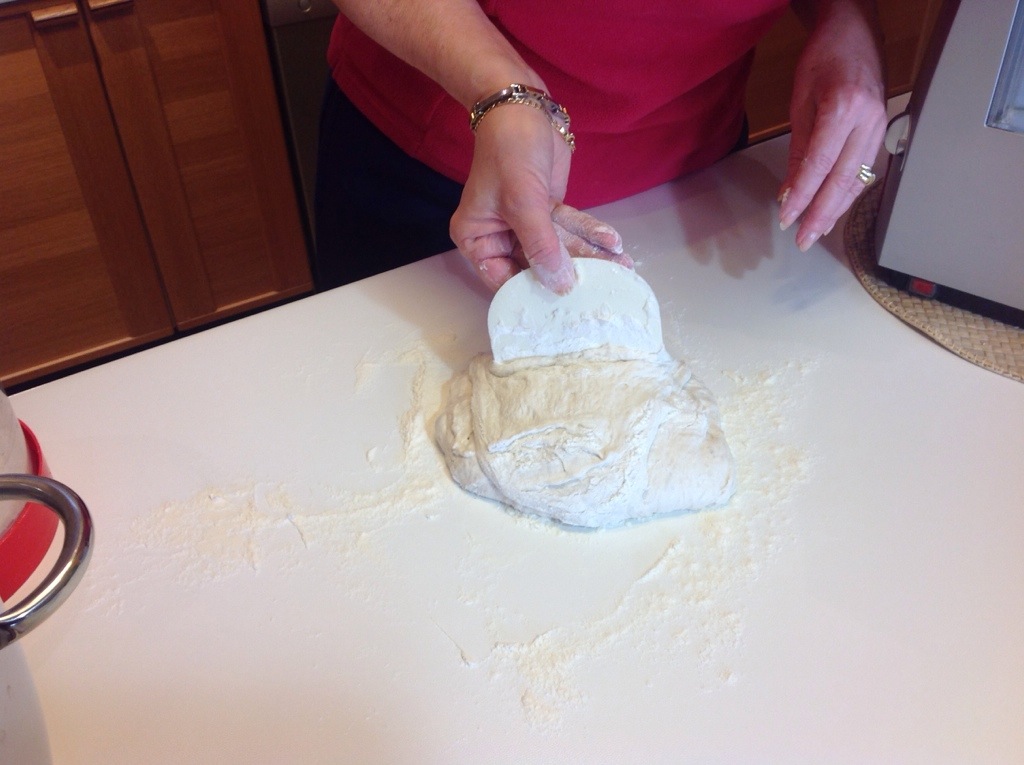
I fold in half again.

I form a rounded shape.
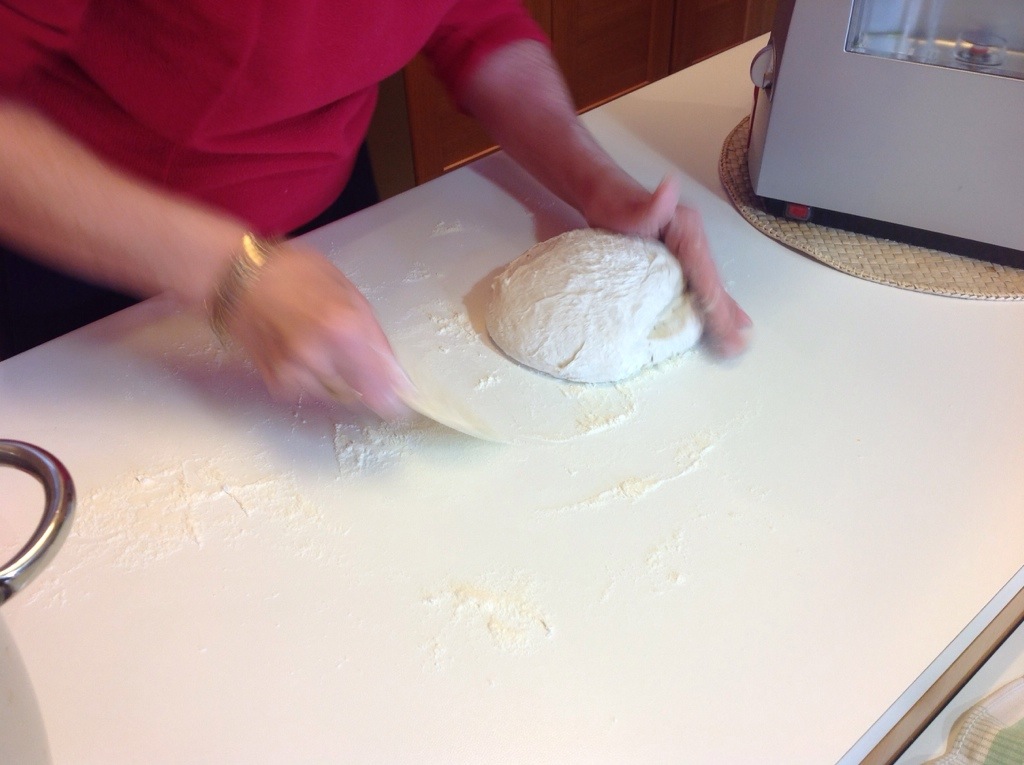
I dust a tea towel with Italian '0' flour and maize flour and gently place the dough on it, seam down.
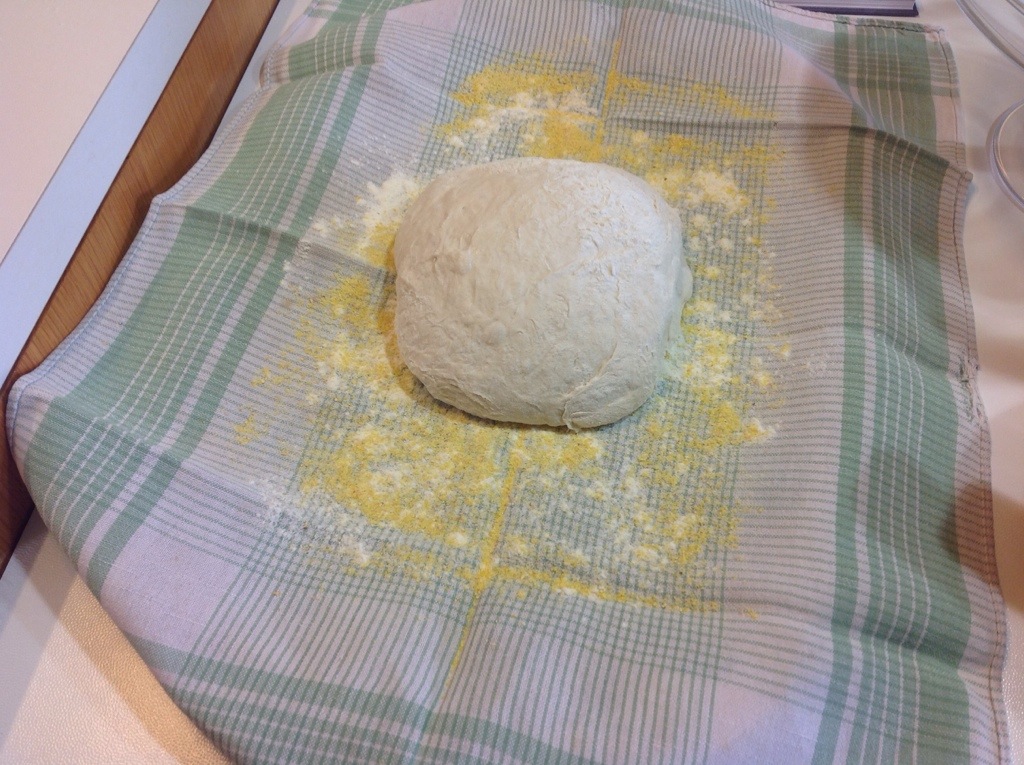
If sticky on top, I dust with the flour mix.

I fold the towel loosely around it and rest for 1 or 2 hours away from draughts, until almost doubled.
Press and remove a finger: a half-centimetre indentation should remain. If it immediately disappears, rise another half an hour.
Half an hour before the rise ends, I heat the oven with the pot inside to 245°C.
Once ready and hot, I carefully remove the pot and its extremely hot lid, put a hand under the towel and tip the dough into the pot.
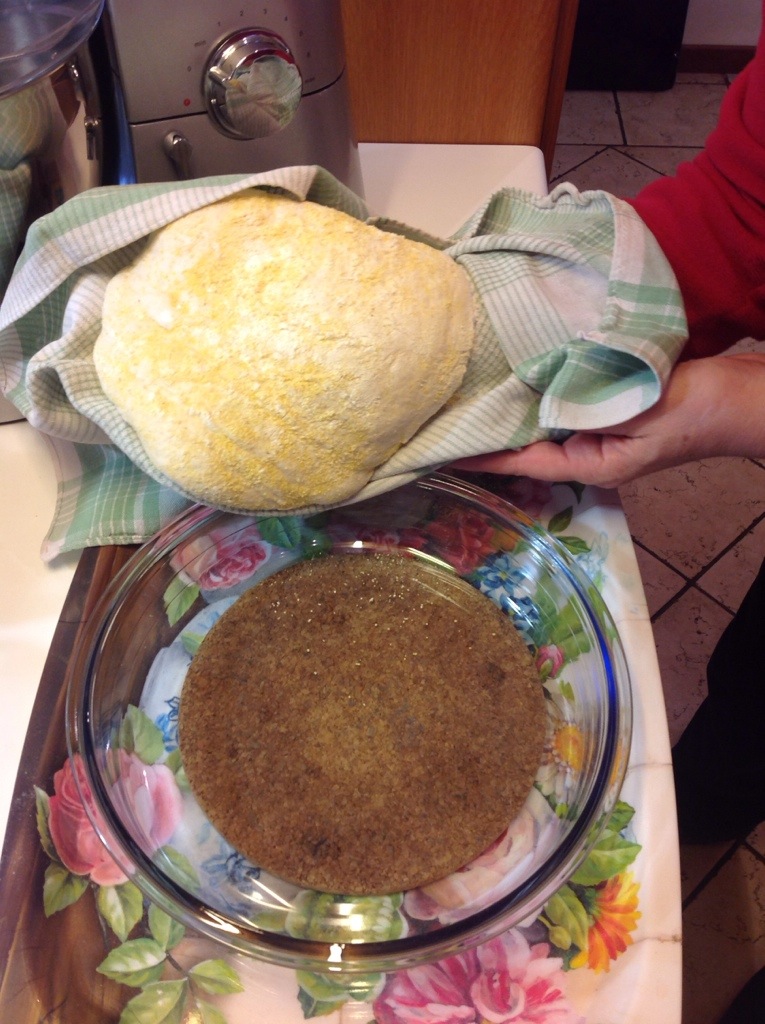

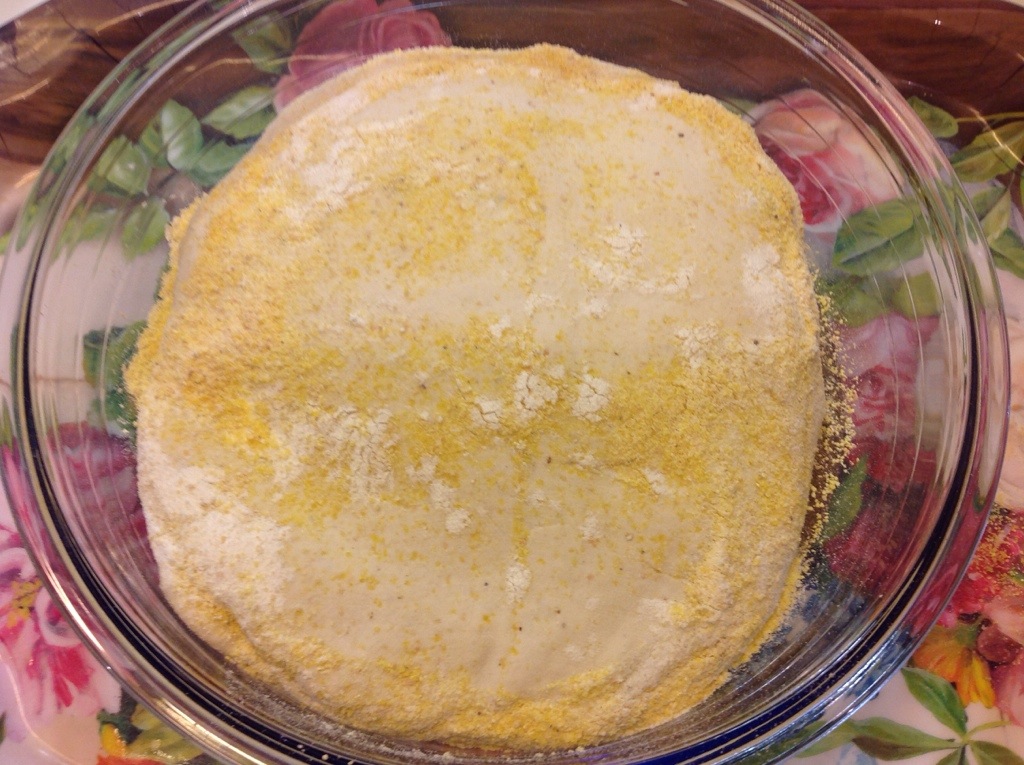
I dust with both flours and immediately cover.
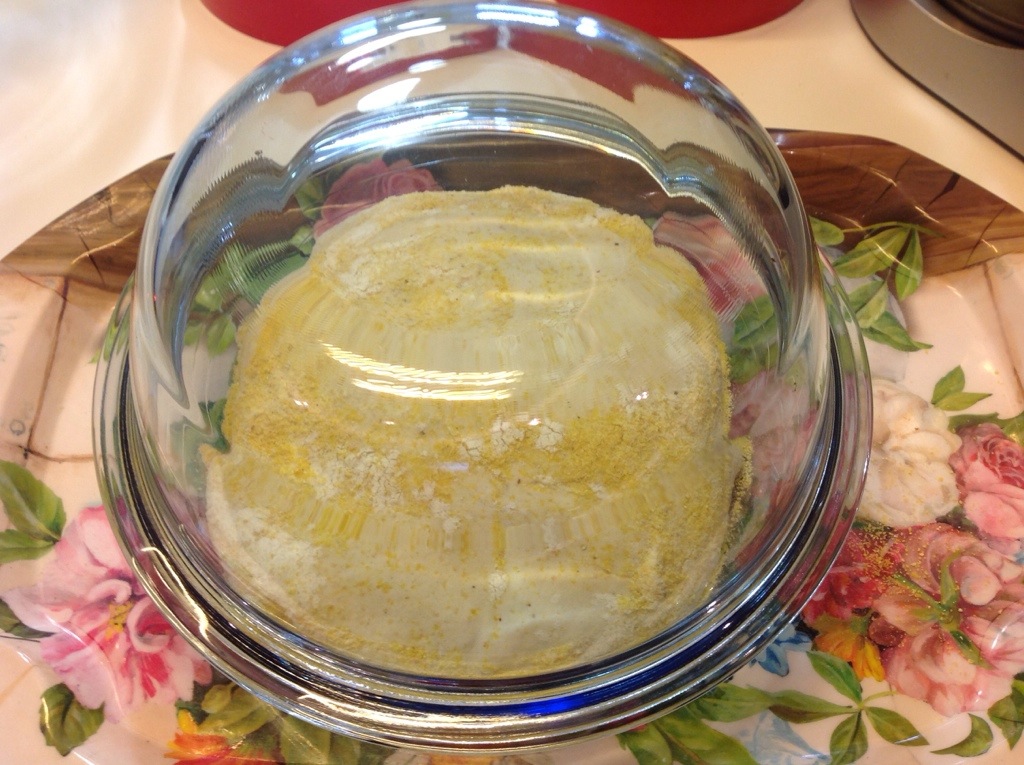
I bake for 30 minutes. Watching it rise is wonderful!

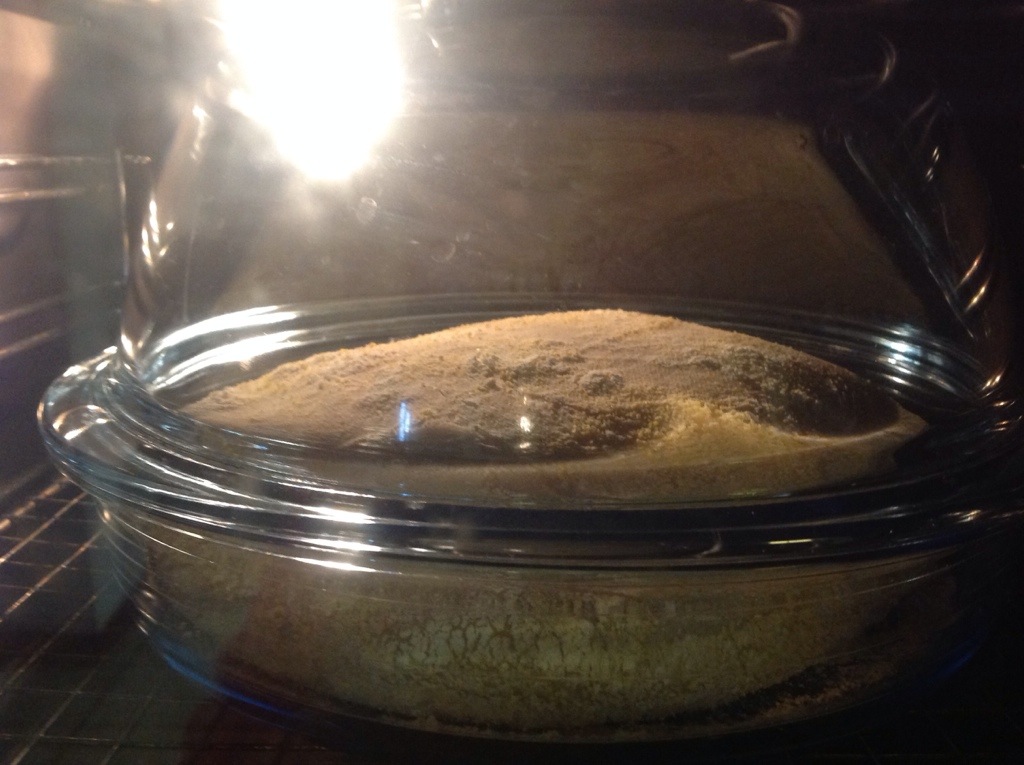
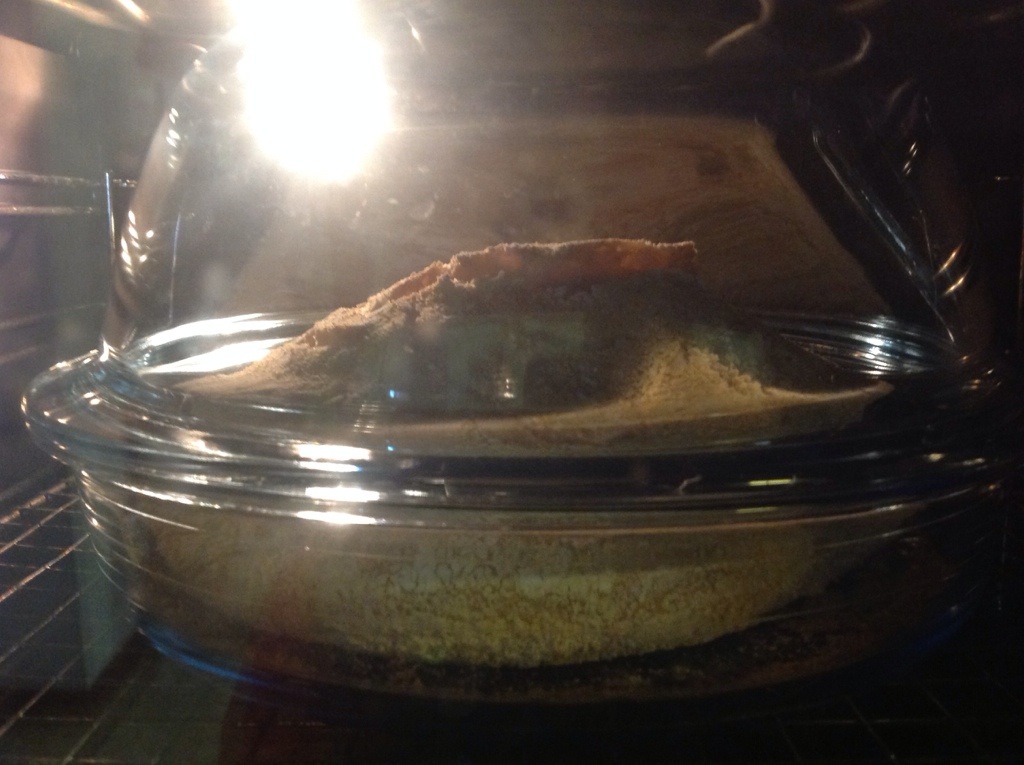
After 30 minutes, I remove the lid and rotate the container.

I bake another 15 or 20 minutes until dark brown, not burnt.
I remove from oven and pot and cool on a rack before slicing.
The crust should be crisp and the crumb soft with good air holes.

Wrap leftovers in baking parchment or a paper bag, not plastic, and briefly warm before eating.
Original source: https://incucinaconlilly.com/2014/02/04/ricetta-base-pane-senza-impasto/
Reserved advertising space · no adverts are active